Inspired by Pope Francis’ mandate and teachings regarding the importance of the Mediterranean in its strategic positioning of bringing peoples, cultures and religions together, the Church in Malta is organising a conference entitled ‘Women in the Mediterranean’ on Sunday, 27th April 2025, at the Mediterranean Conference Centre at 4pm.
The aim of this conference is to help bring about a change in the understanding of women as a self-determining subject, as opposed to an object of desire. During a time when the country is ravaged by repeated instances of domestic violence and femicides, the Catholic Church in Malta aims to bring into play “renewed and shared narratives which―based on listening to the past and to the present―speak to the hearts of people”.
Themes and Speakers
Three entry points to the theme “Women in the Mediterranean” are being suggested to reimagine narratives of womanhood in the region:
Abduction – Il-Ħatfa
This symbol brings to the fore “women” as both victims and protagonists in a Mediterranean culture of care and hospitality, but also of ruthless piracy and abduction. The theme will highlight the role of women in today’s complex reality of migration.
Outward vs Inward – Barra u Ġewwa
This theme acknowledges the existential tension between a need to belong and to nurture one’s unique self-identity, but that in a culture of patriarchy, seems to imply women’s heightened vulnerability more than liberation, sometimes to the point of violence. How this dynamic is both informed and challenged by spirituality and the religions, could also help us reimagine, and build concretely, truly inclusive communities.
Silence and Being Silenced – Omertà
This theme aims to explore the power of women’s voices in the context of complex colonial legacies where silence is construed as dignified virtue, but also practiced as omertà. The hope is to propose how meaningful creative expression can be an antidote to oppressive political power.
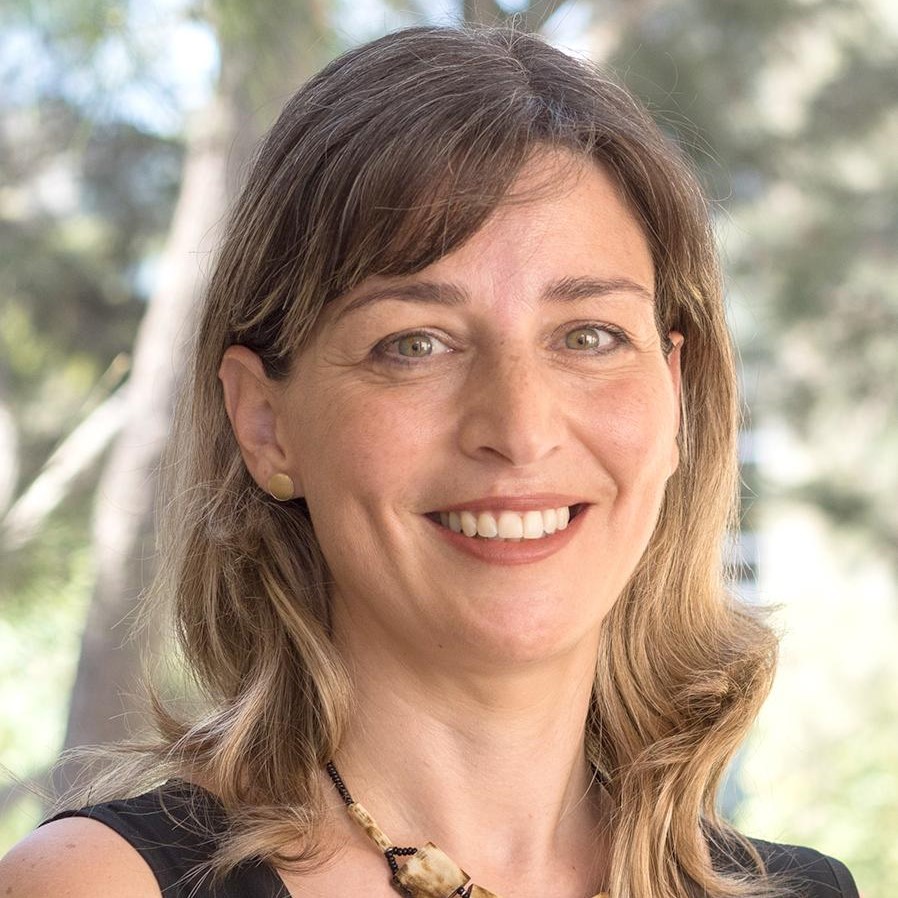
Professor Daniela DeBono is Head of the Department of Anthropology at the University of Malta. She is also habilitated under the national Swedish Academic System as Associate Professor in International Migration and Ethnic Relations. She is Research Coordinator of 'Displacement, Democratisation and Development' at the Mediterranean Institute, and an Affiliate of the Malmö Institute for the Studies of Migration, Welfare and Diversity (MIM), Malmö University.
Prof. DeBono was awarded a three-year Marie Curie Research Fellowship at the Robert Schuman Centre for Advanced Studies - European University Institute, was a Research Fellow at MIM and was awarded a Commonwealth Scholarship to pursue her doctorate at the Sussex Centre for Migration Research, University of Sussex.
Prof. DeBono was awarded a three-year Marie Curie Research Fellowship at the Robert Schuman Centre for Advanced Studies - European University Institute, was a Research Fellow at MIM and was awarded a Commonwealth Scholarship to pursue her doctorate at the Sussex Centre for Migration Research, University of Sussex.
Prof. DeBono has published on forced migration, hospitality, humanitarianism and solidarity from a human rights and social justice point of view. Her work draws on long-term ethnographic research along the European Union’s southern border in Malta, Lampedusa and Western Sicily, as well as in Sweden.
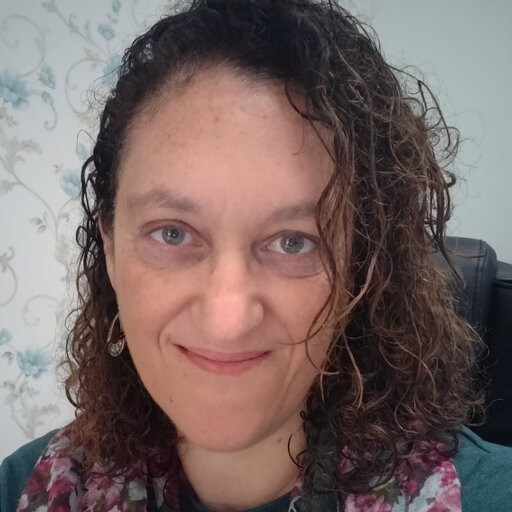
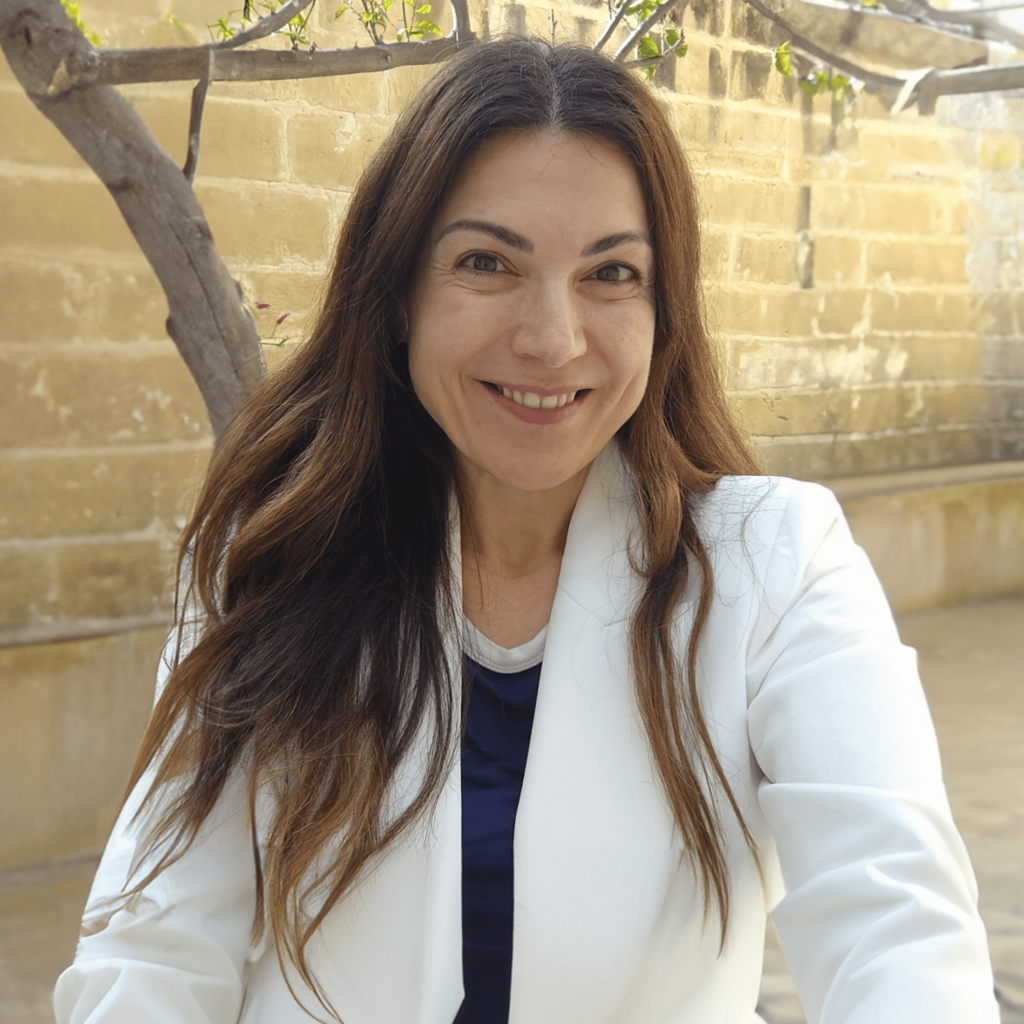
Dr Maria Brown holds a Ph.D. in Education, a Master of Arts in Sociology and a Bachelor of Arts in Sociology and Italian.
She lectures in adult education, community-based education and community development, research methods and social impact assessment.
Currently, Dr Brown is Malta's Ambassador for the European Platform for Adult Learning in Europe (EPALE).
She is also Chief Editor of the Journal of Disruptive Technologies, Education, and Communications (JDTEC), Book Reviews Editor of Convergence: An International Journal of Adult Education; and a member of the Editorial Board of the journal Adult Education Discourses ('Dyskursy Młodych Andragogu').
Her experience also includes work for the European Commission, Eurydice, the Council of Europe, the European Co-operation in Science & Technology (COST) and the Ministry for Education and Employment (Malta).
She lectures in adult education, community-based education and community development, research methods and social impact assessment.
Currently, Dr Brown is Malta's Ambassador for the European Platform for Adult Learning in Europe (EPALE).
She is also Chief Editor of the Journal of Disruptive Technologies, Education, and Communications (JDTEC), Book Reviews Editor of Convergence: An International Journal of Adult Education; and a member of the Editorial Board of the journal Adult Education Discourses ('Dyskursy Młodych Andragogu').
Her experience also includes work for the European Commission, Eurydice, the Council of Europe, the European Co-operation in Science & Technology (COST) and the Ministry for Education and Employment (Malta).
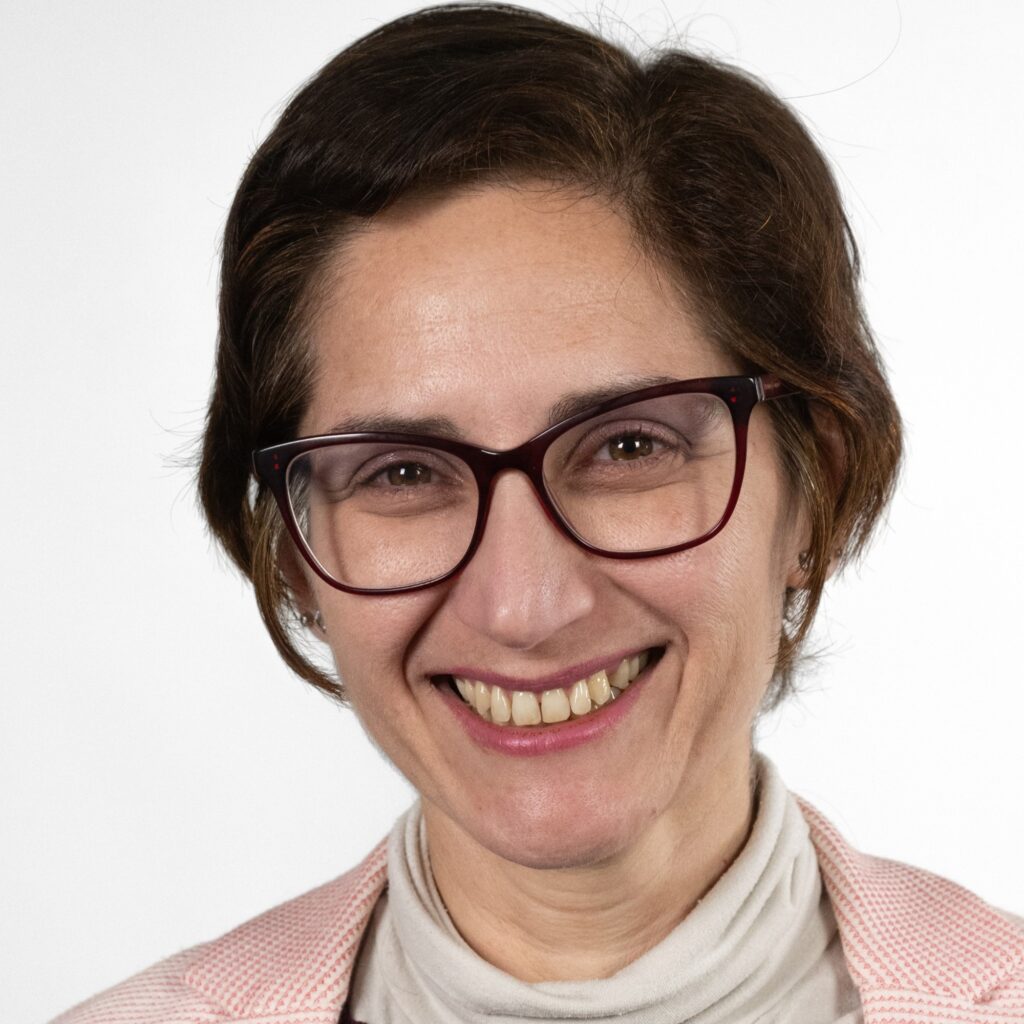
Nadia Delicata is Episcopal Delegate for Evangelisation of the Archdiocese of Malta and Associate Professor of Fundamental Moral Theology and of Christianity in Digital Culture at the University of Malta. She did all her theological training at the Toronto School of Theology of the University of Toronto, where she was also a Fellow of the McLuhan Program in Culture and Technology, specializing in media ecology. She is currently training as a Gestalt psychotherapist.
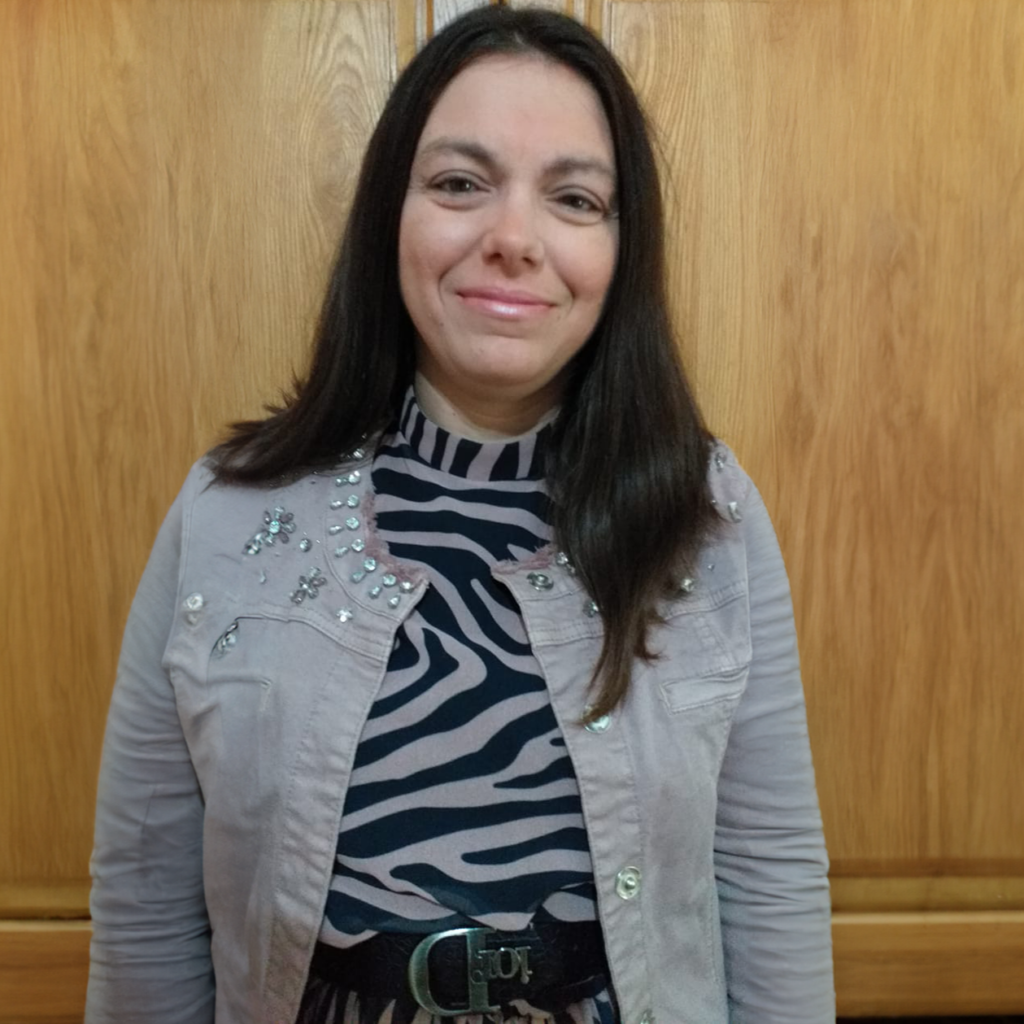
Dorianne Buttigieg is a lecturer within the Faculty of Theology at the University of Malta where she lectures in liturgy and liturgical studies and ecumenism. Her research interests include liturgy and liturgical studies, ecumenism, Eastern Orthodox theology and the relationship between ecumenism and the liturgy. She is involved with the RCIA team where she supports catechumens in their journey towards the sacraments of initiation. She is also a member of the Ecumenical Commission for the Diocese of Malta and a member of Societas Liturgica and Societas Oecumenica. She is married and has two boys.
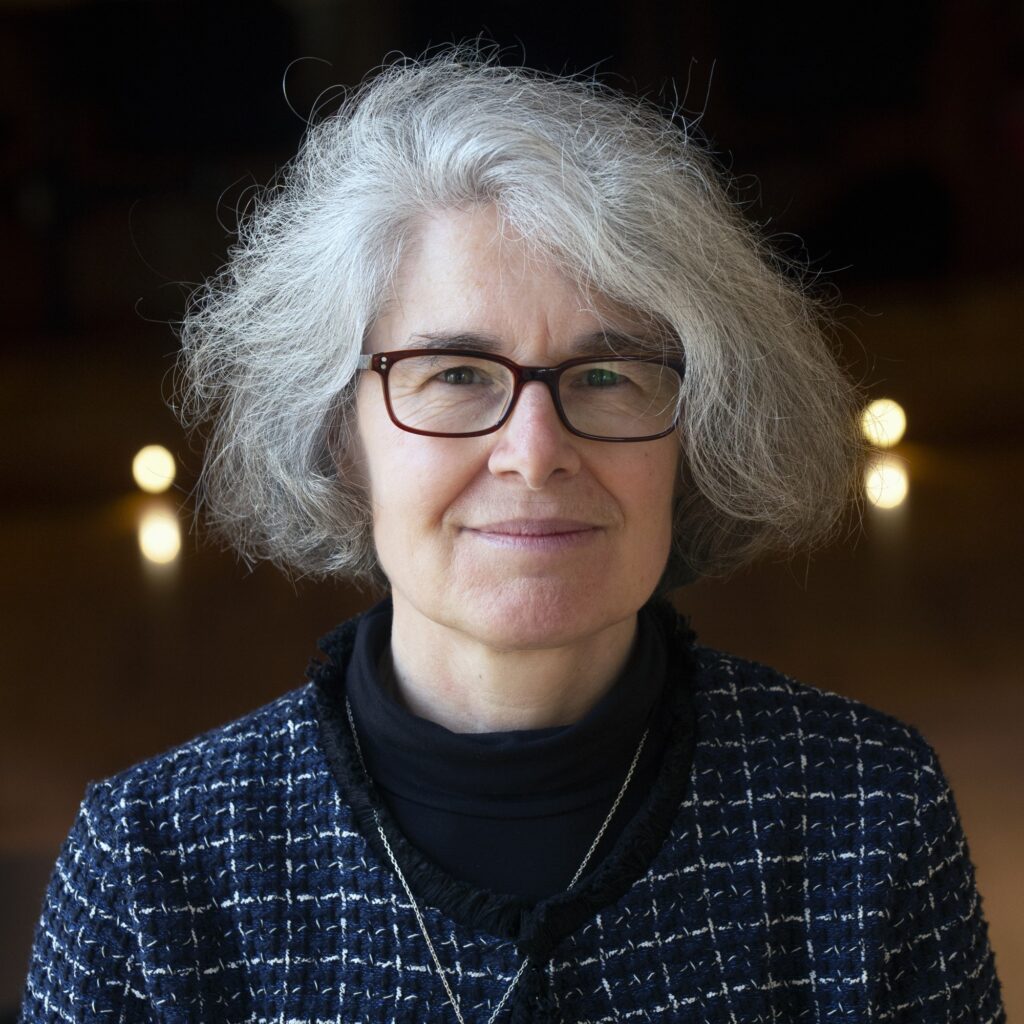
Sr Nathalie Becquart, XMCJ, has been Undersecretary for the General Secretariat of the Synod of Bishops at the Vatican since February 2021 and member of the Dicastery for Communication since December 2021. As a Xavière Sister - an Ignatian order - from France, her mission has focused largely on youth and synodality. Prior to her current appointment, she served as national director of the Service for the Evangelisation of Young People and Vocations at the French Episcopal Conference, participated in the 2018 Synod of Bishops on Youth as an observer, and conducted research in ecclesiology at Boston College School of Theology and Ministry. She has also studied management and entrepreneurship at HEC, philosophy and theology at Centre Sèvres (Faculté Loyola Paris) and sociology at EHESS in Paris.
Programme
Sunday 27th April 2025
Mediterranean Conference Centre, Valletta
4:00pm
Registration
4:30pm
Welcome Messages
5:00pm
Interventions and Panel Discussion
6:10pm
Coffee Break
6:30pm
Group Sessions
7:35pm
Concluding Address
7:45pm
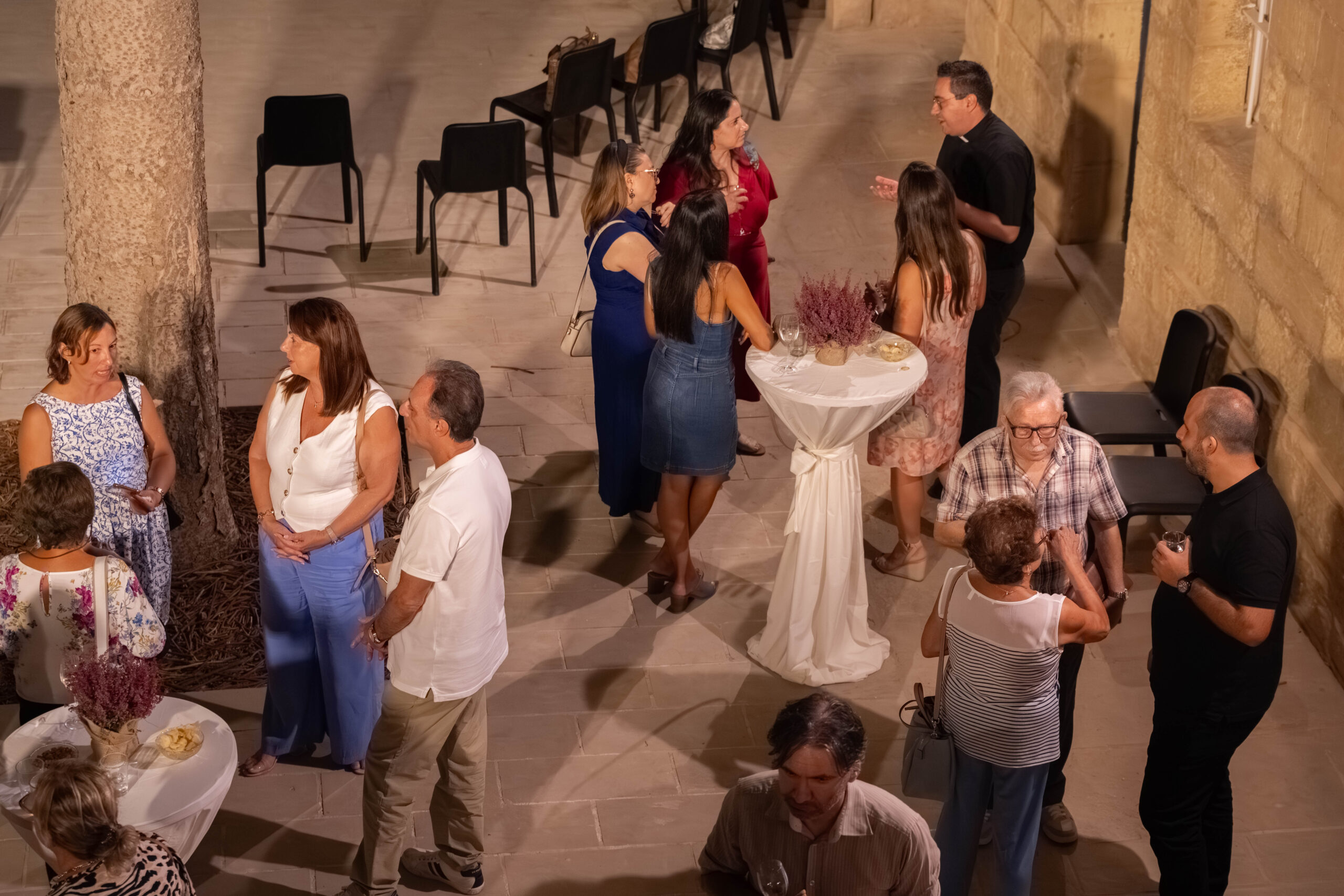
Networking Reception
Proceedings
Welcome Messages
Speeches
Concluding Addresses
Related Events
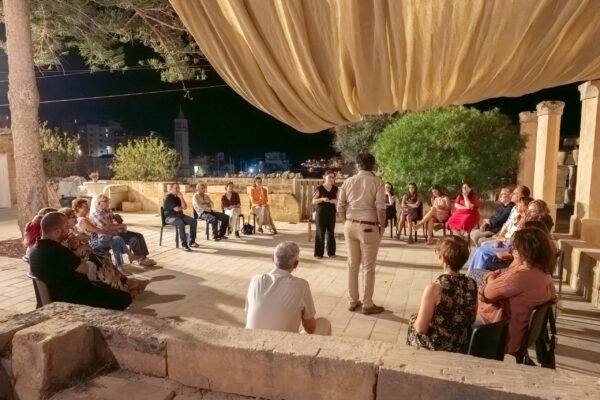
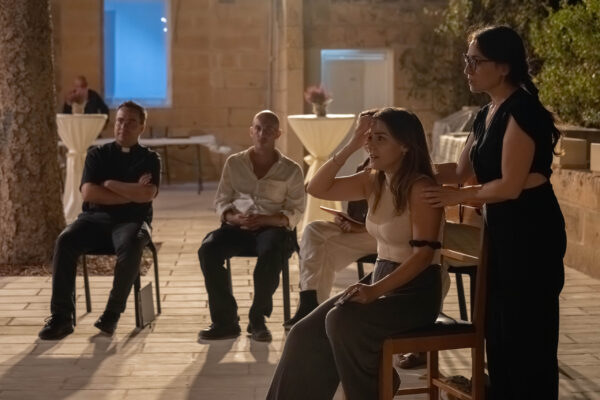
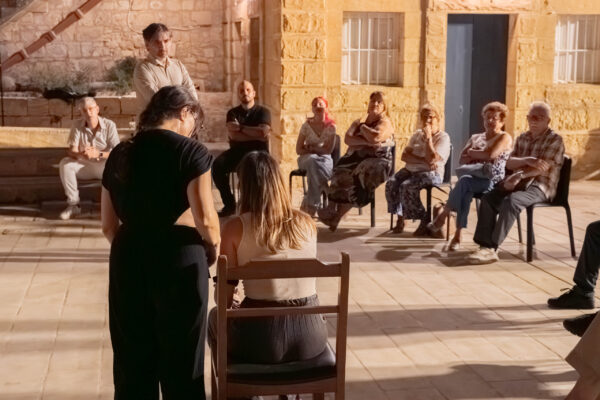
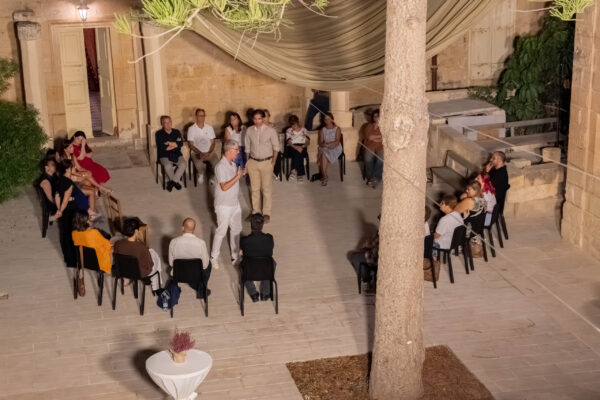
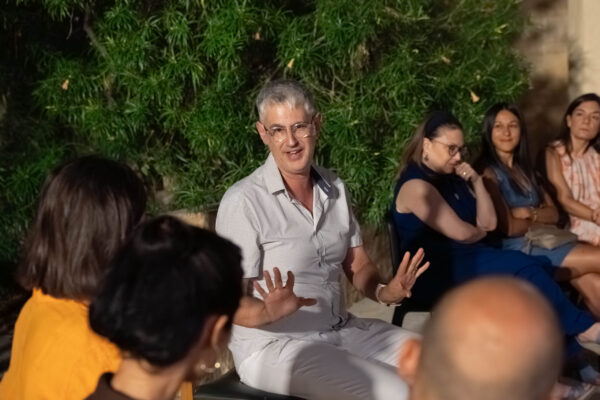
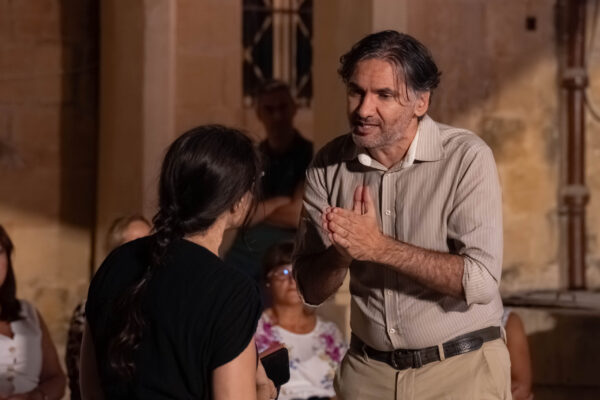
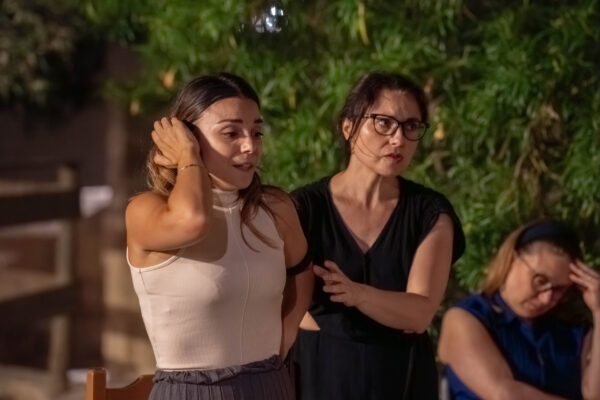
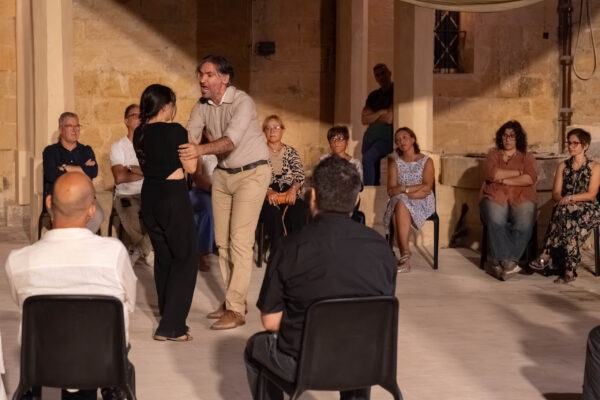
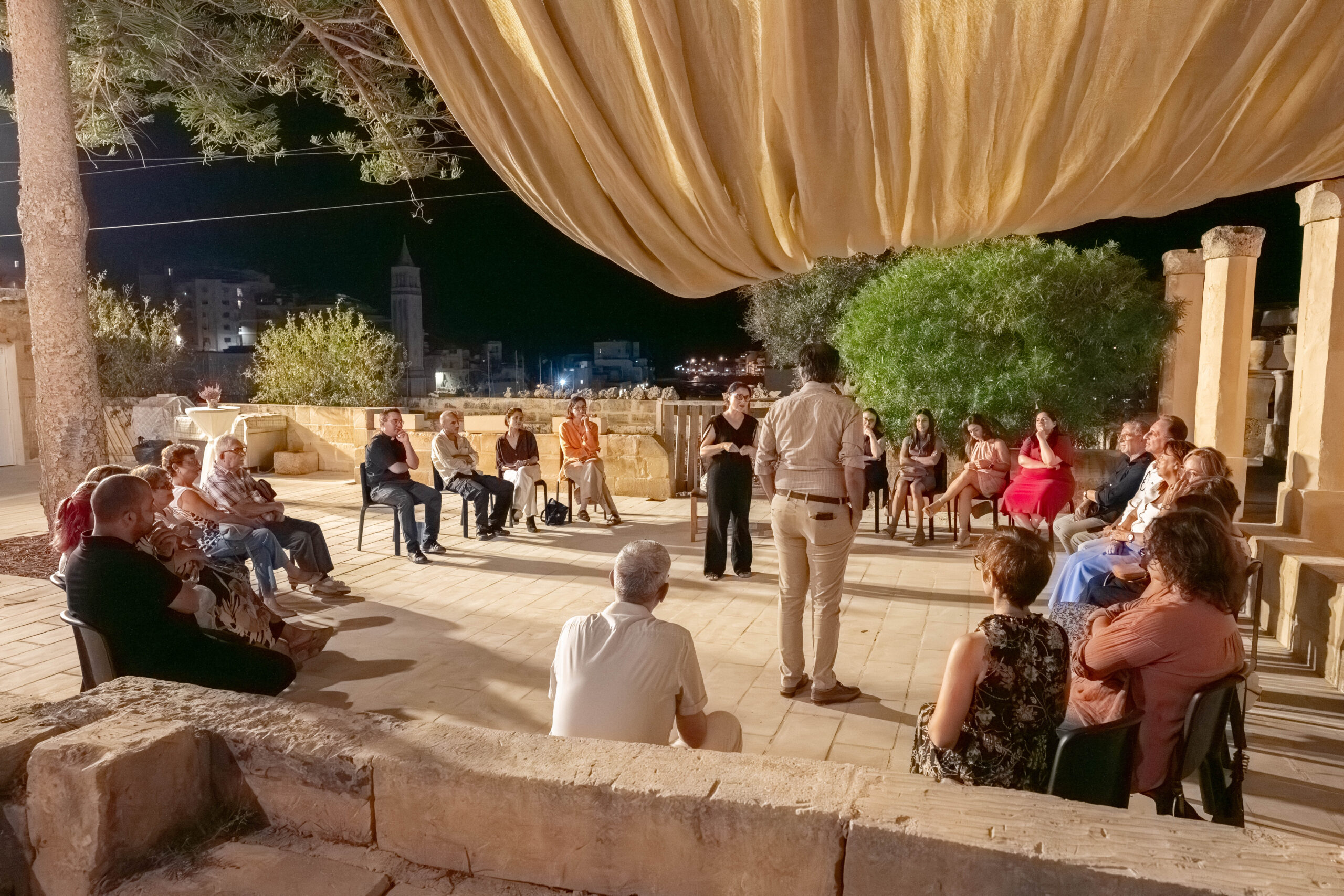
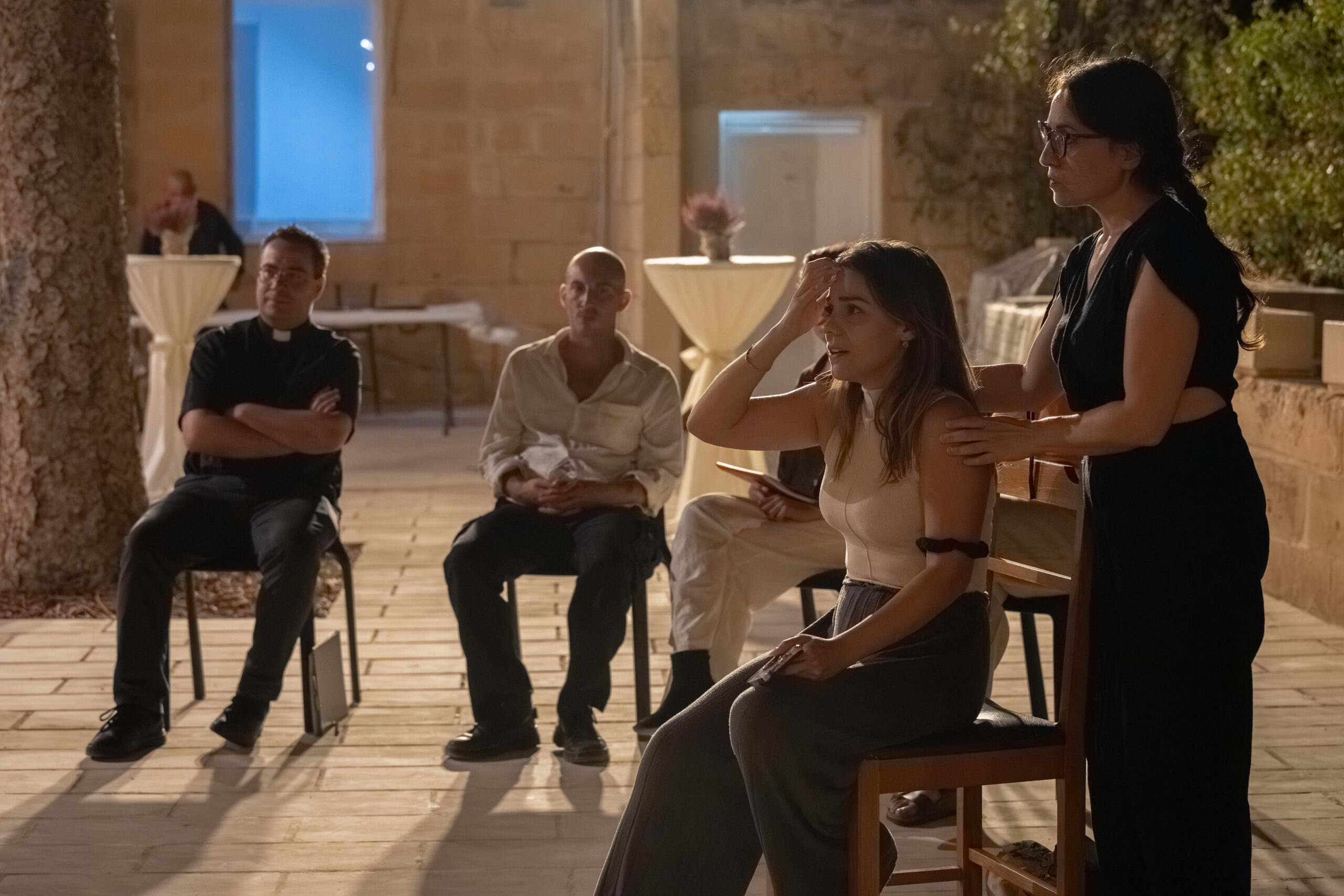
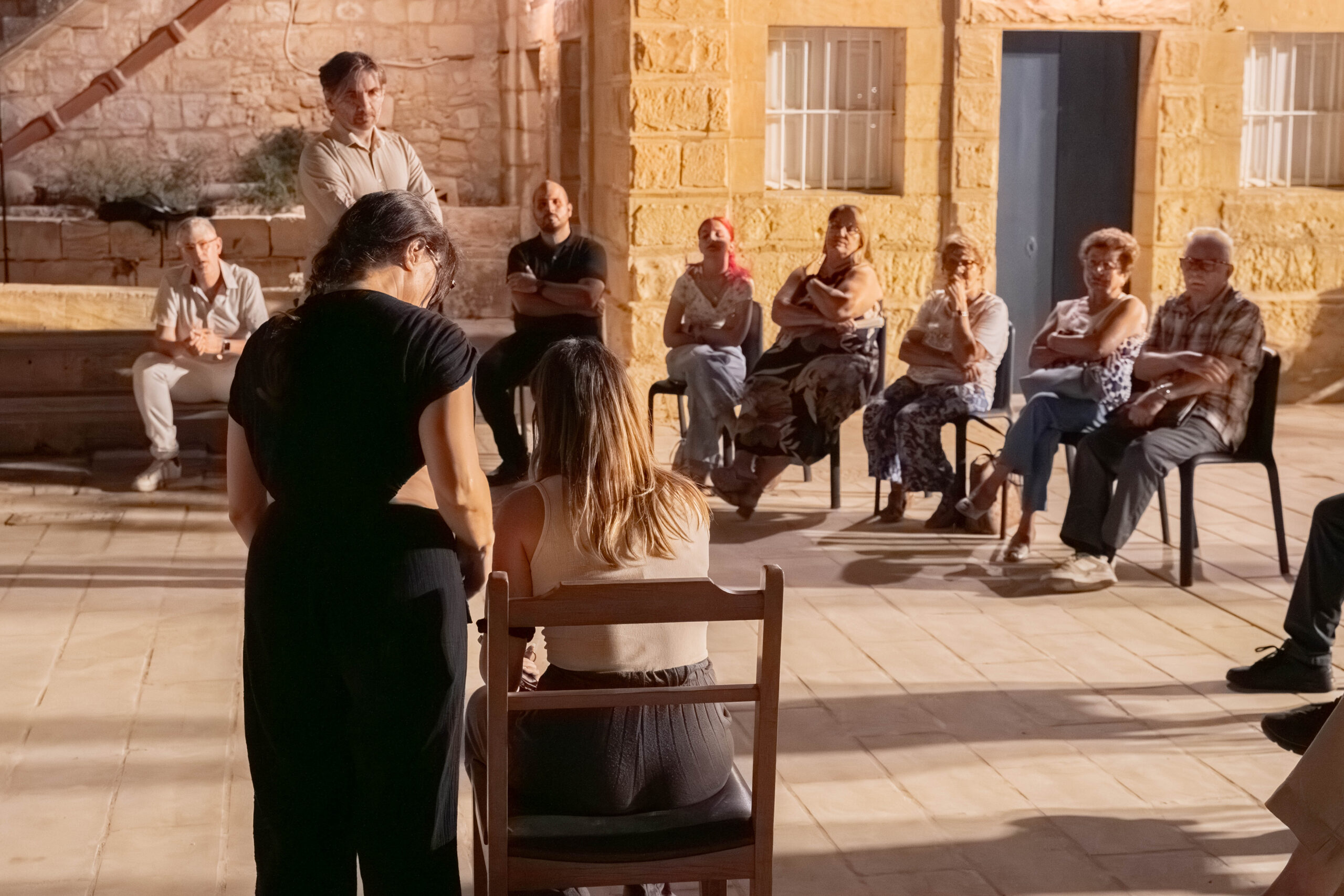
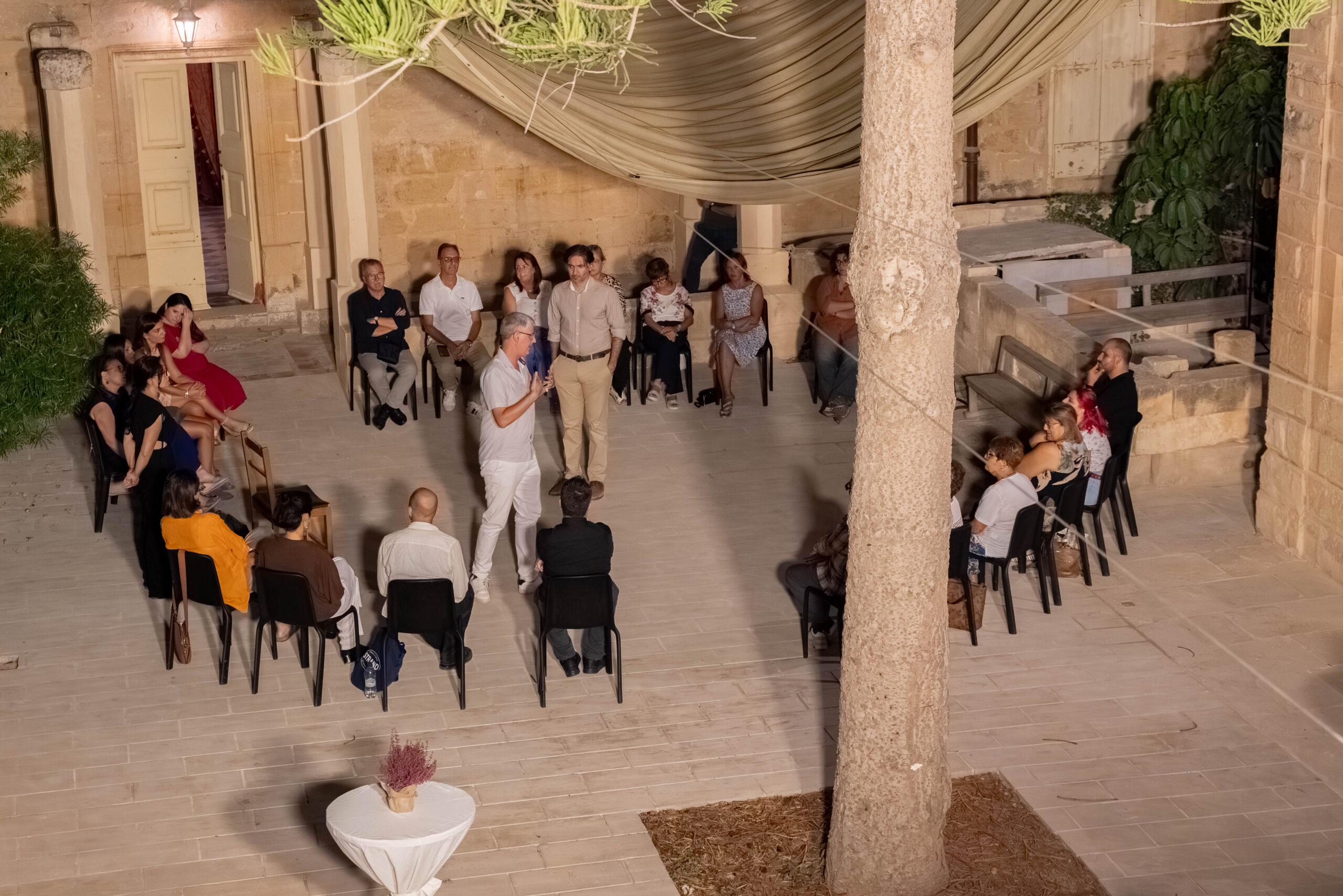
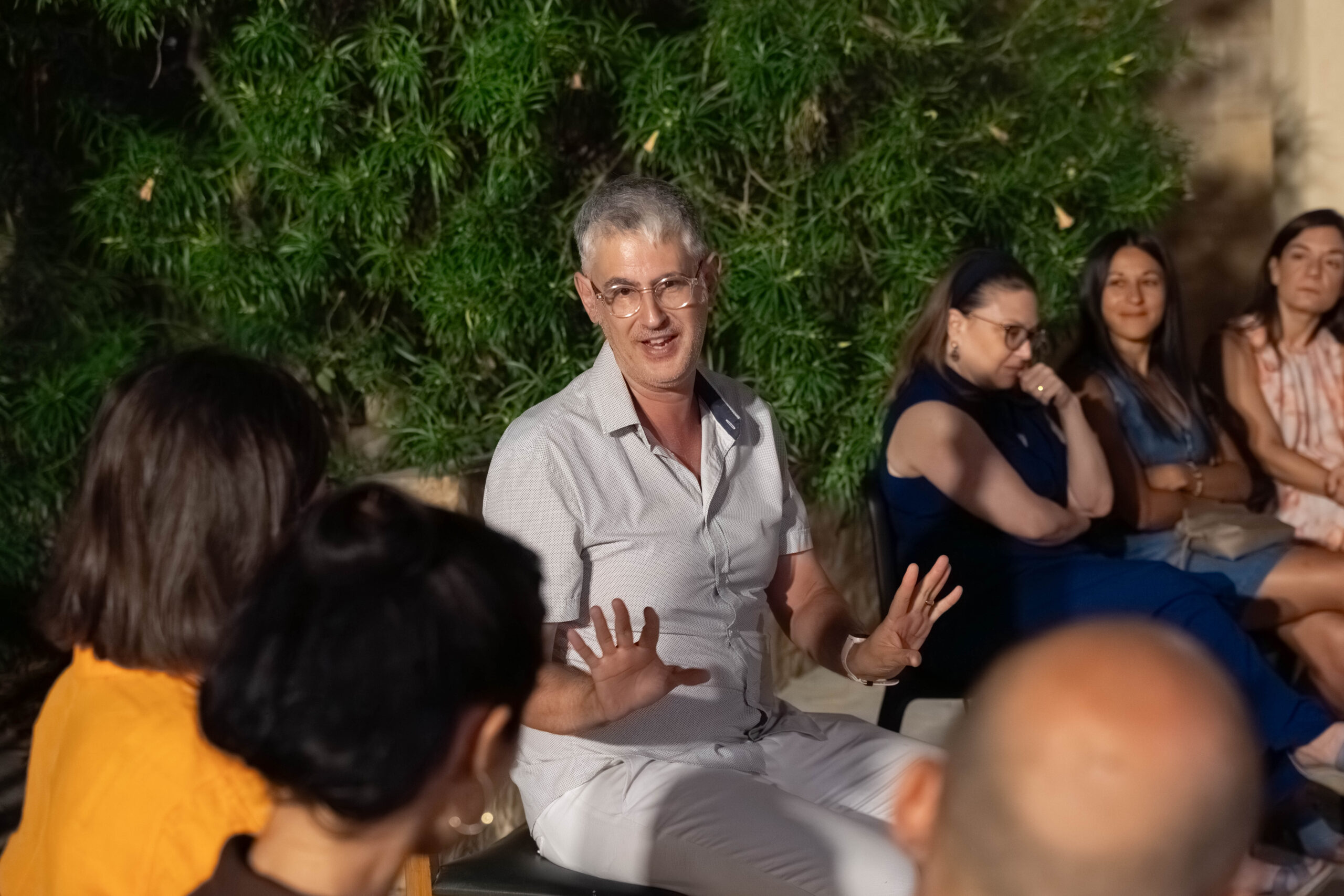
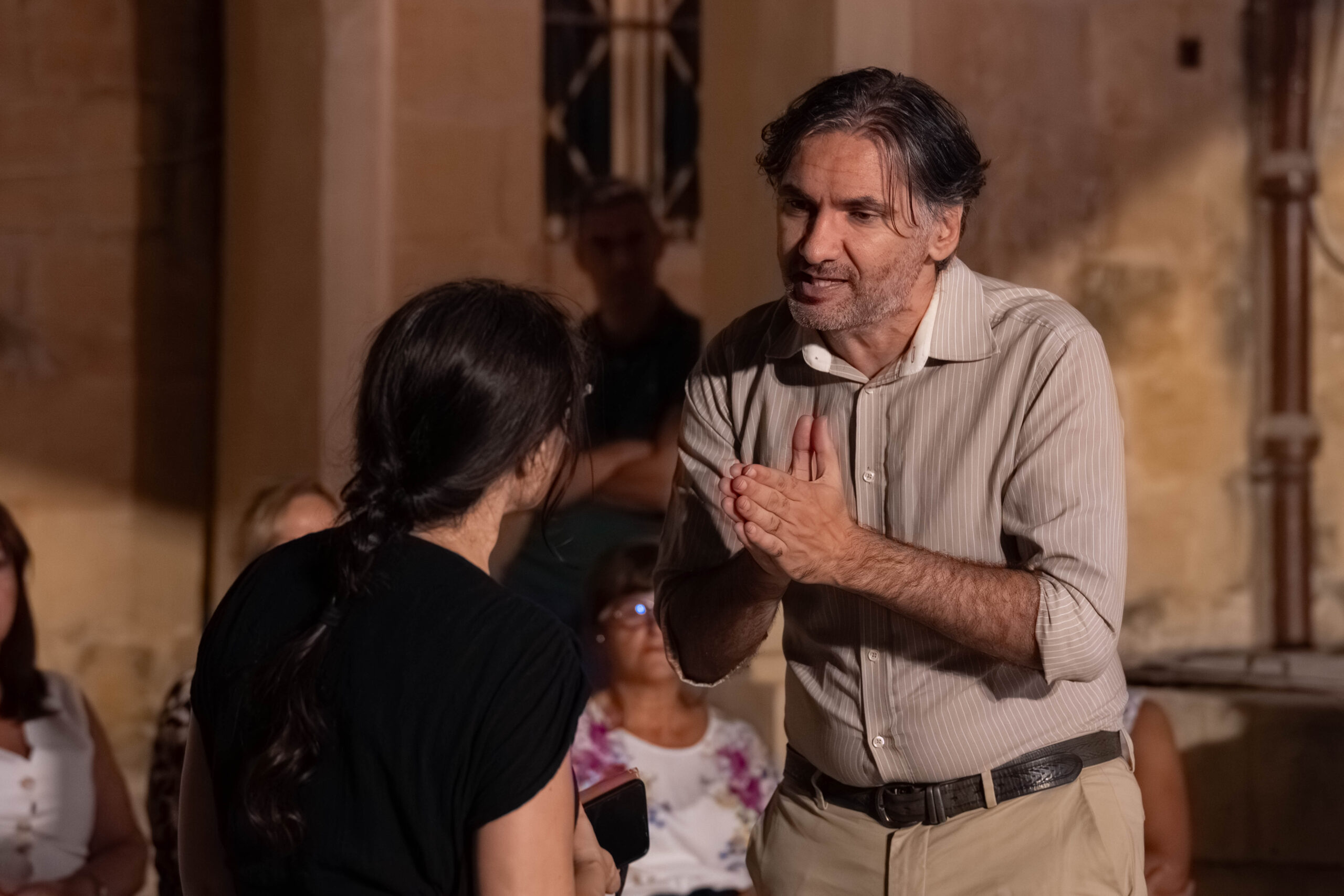
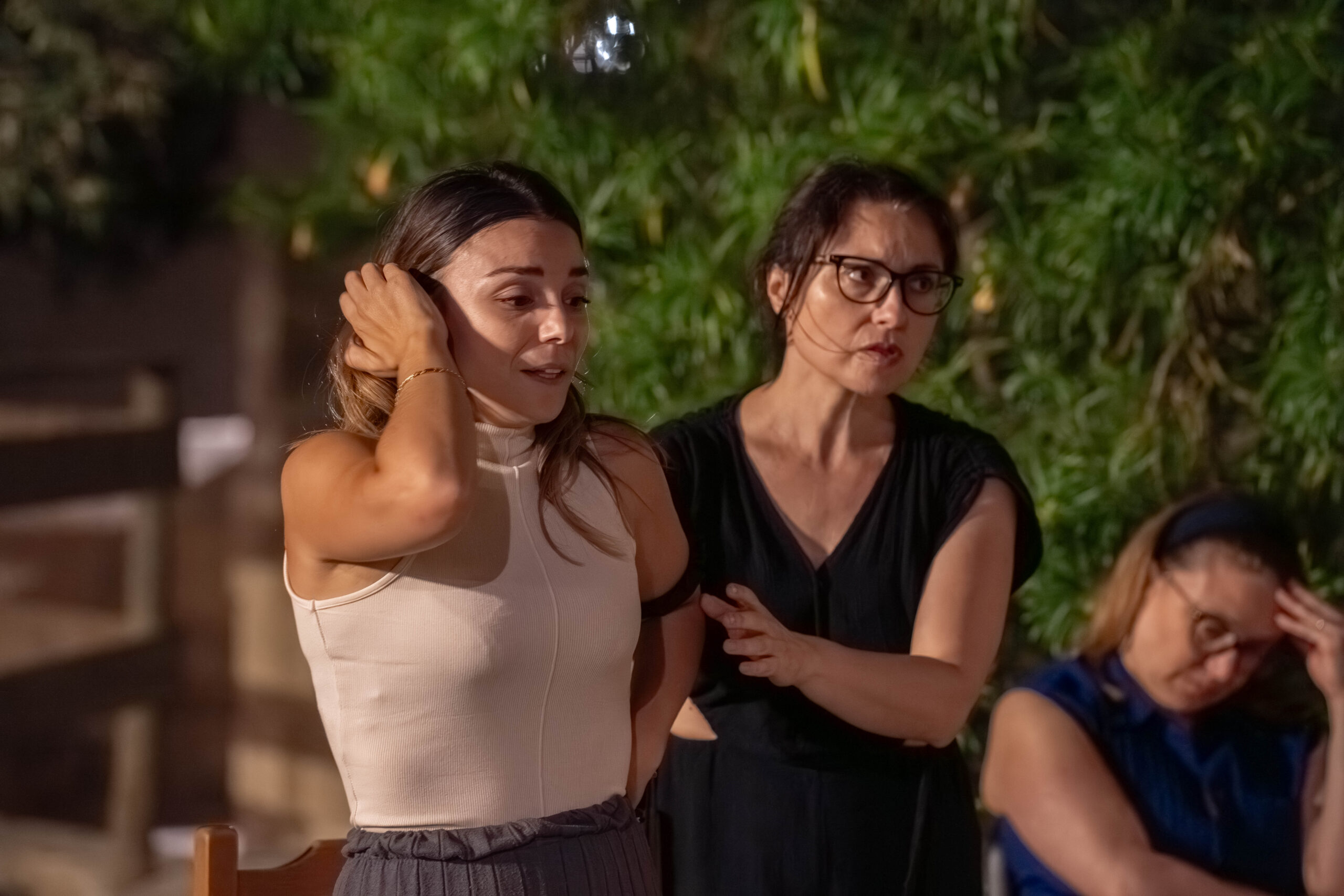
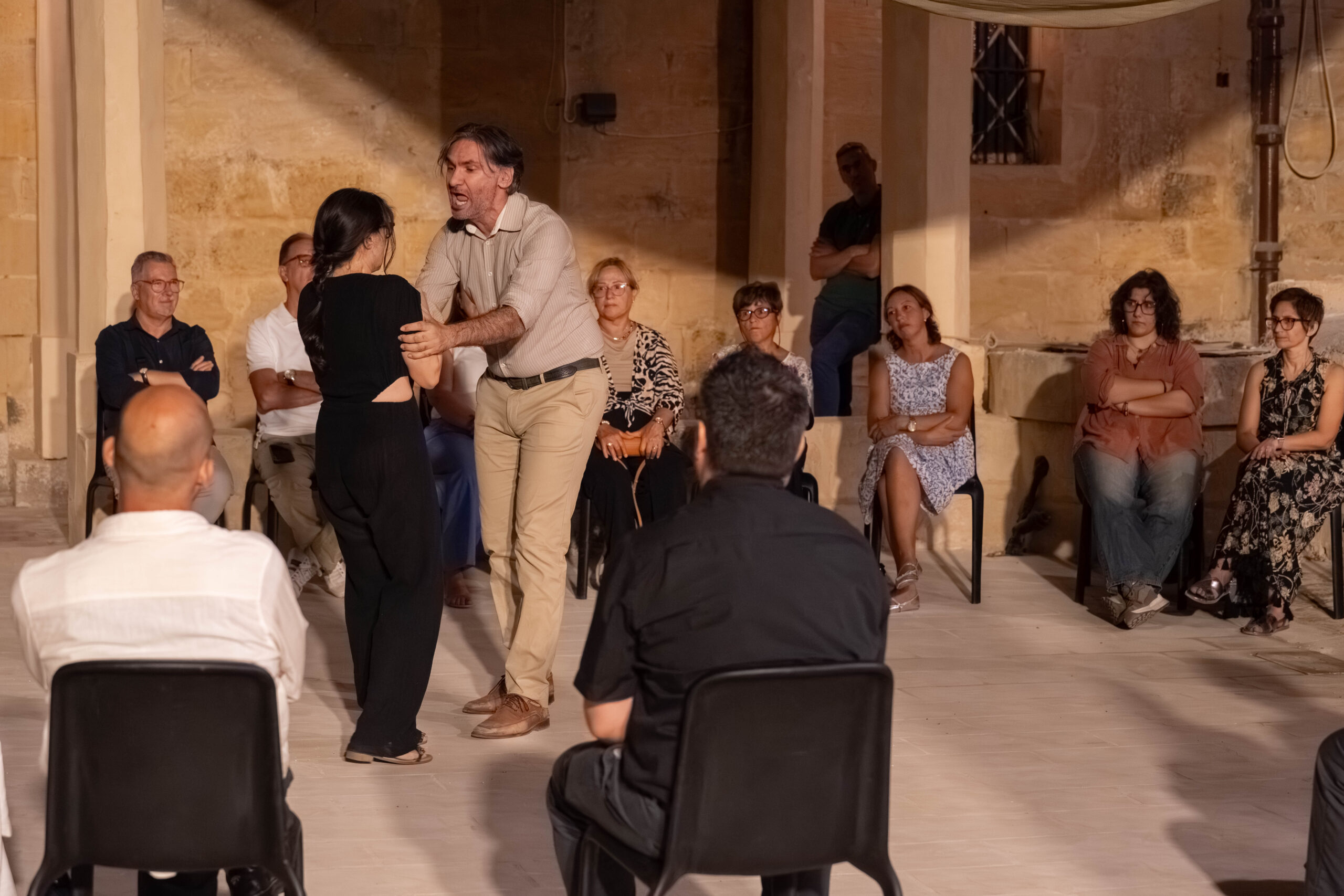
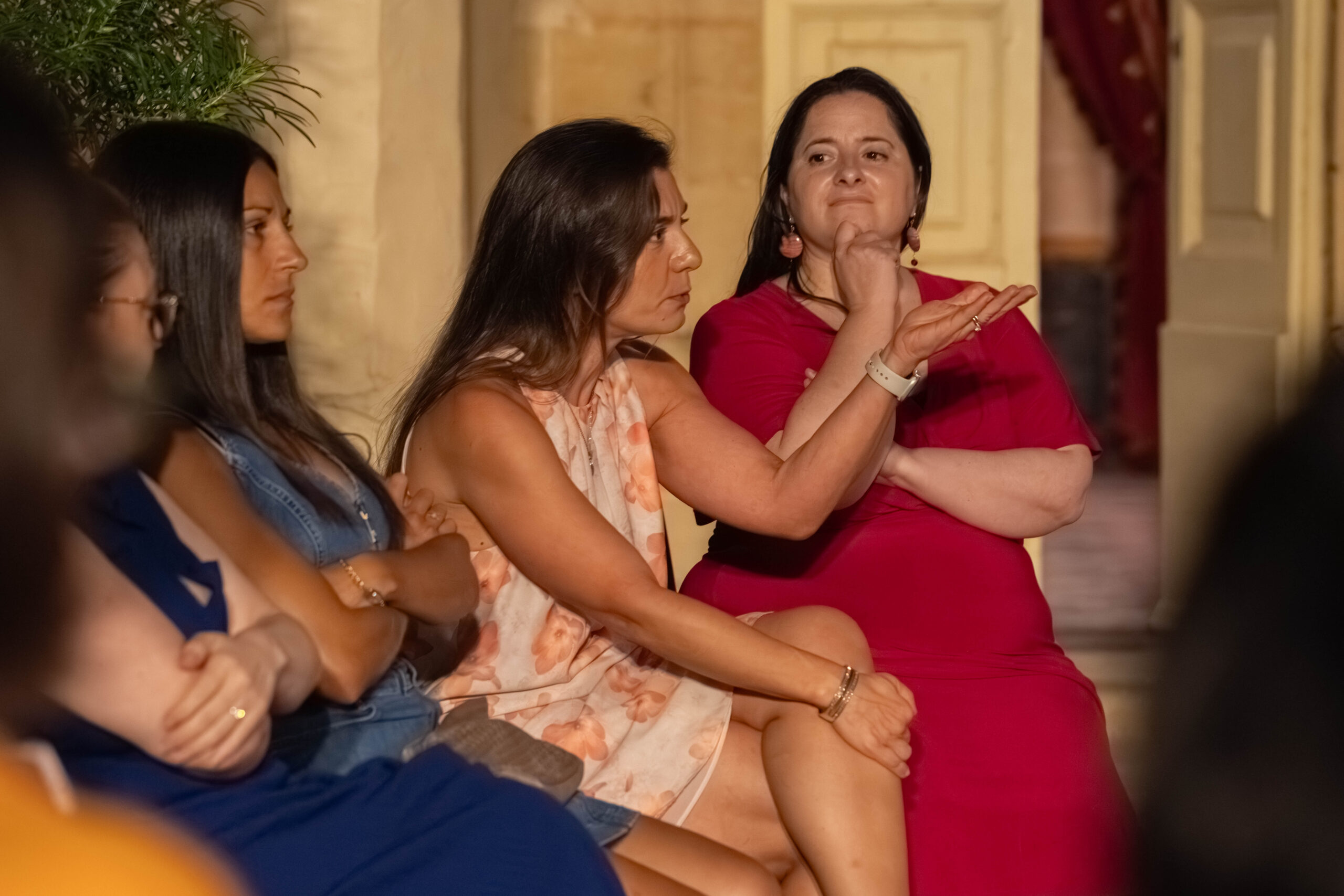
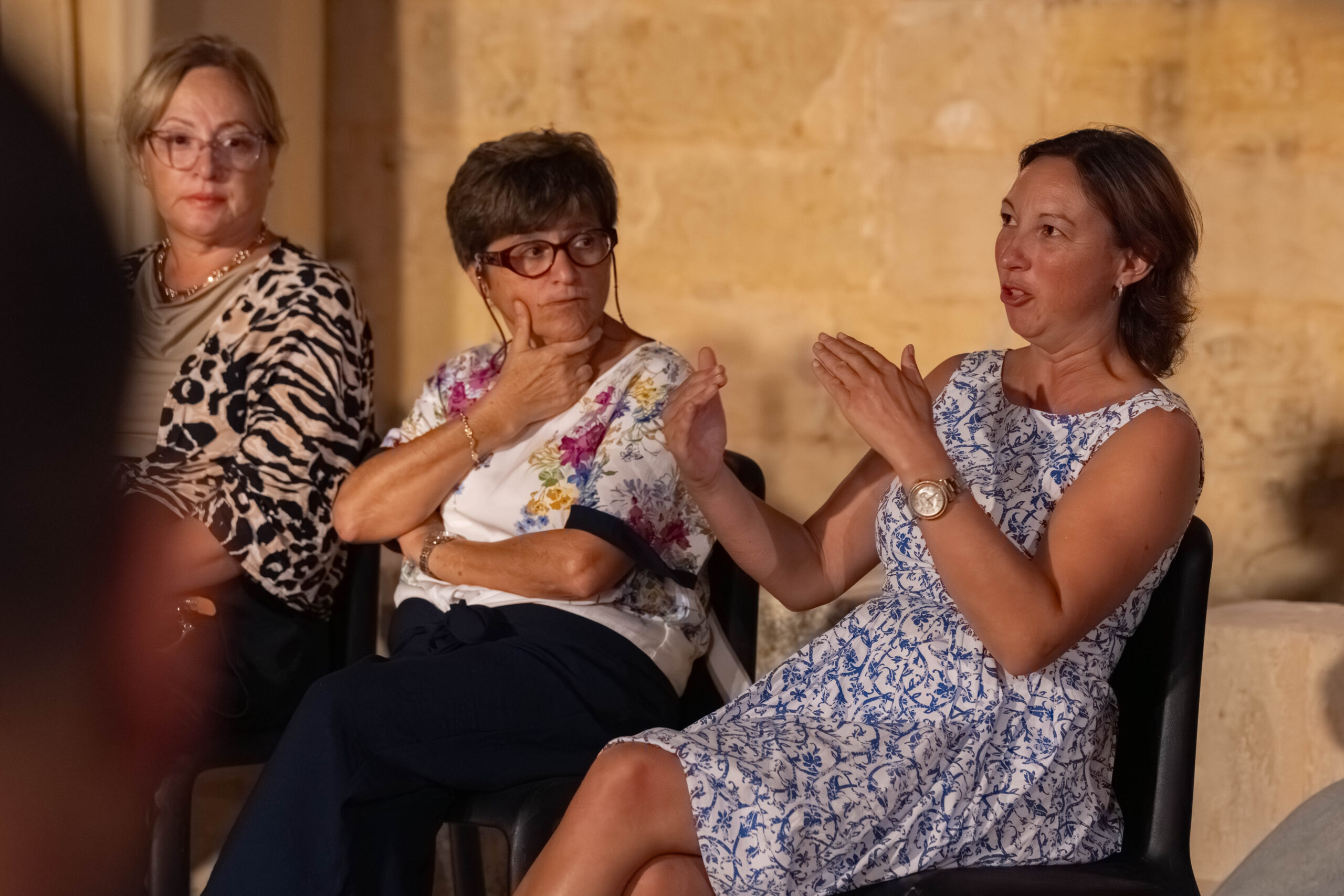
Between 19 and 21 September, MELA organised Forum Theatre sessions at the Apap Bologna Pastoral Centre in Marsaskala, featuring actors Angele Galea and Malcolm Galea, Naomi Said, and theatre director Dr Tyrone Grima. Forum Theatre is an interactive technique developed by Augusto Boal as part of the Theatre of the Oppressed methodology, designed to empower marginalised communities.
Across three days, three different groups were presented with the same dramatic scene, which explored male toxicity in domestic relationships. Participants were invited to propose alternative courses of action and forms of language aimed at empowering those who are oppressed. These alternatives were enacted and followed by guided discussion, allowing participants to reflect on the interventions and their implications.
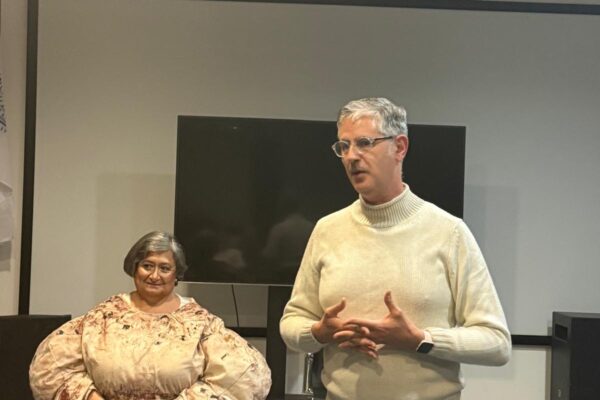
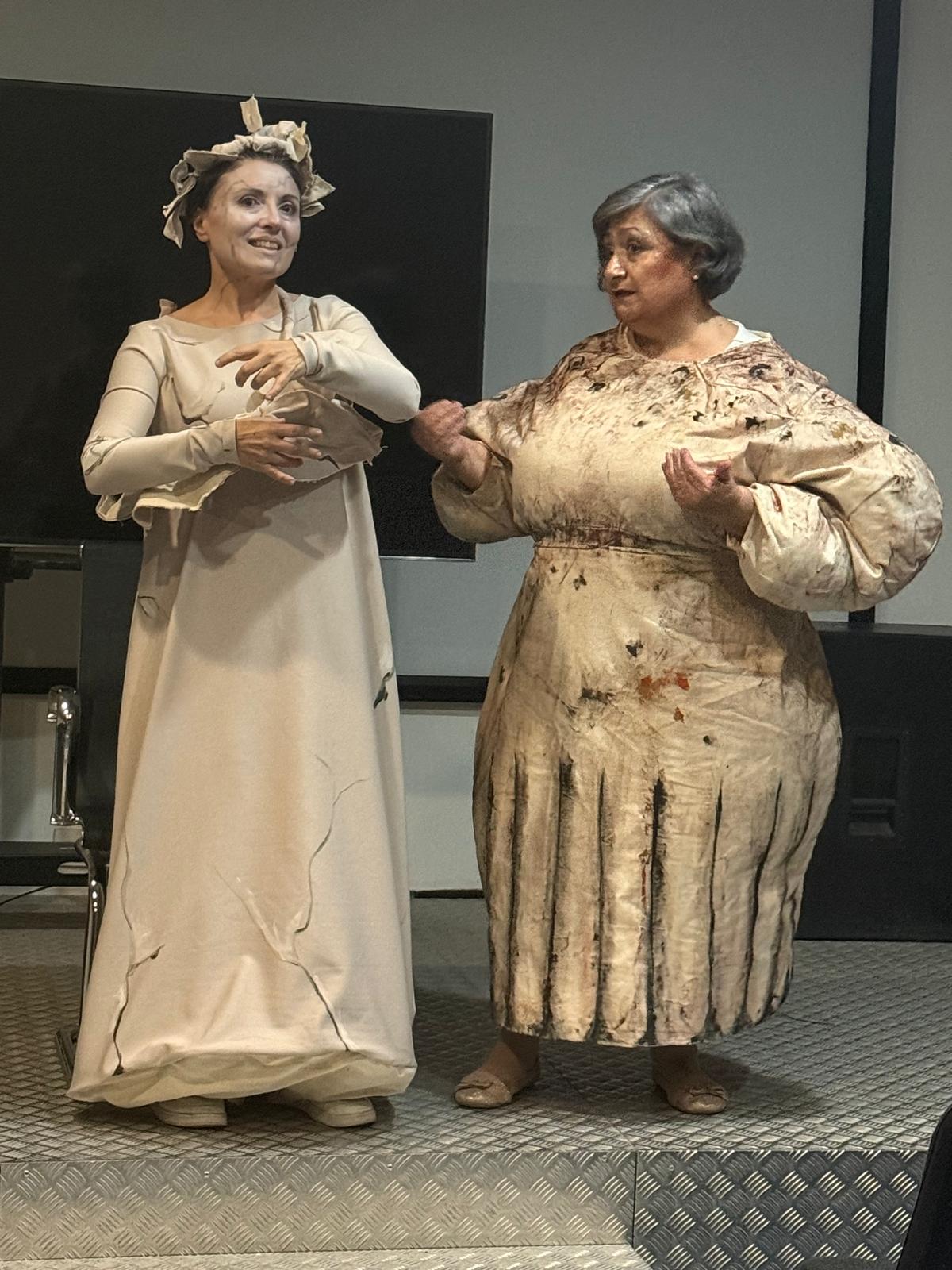
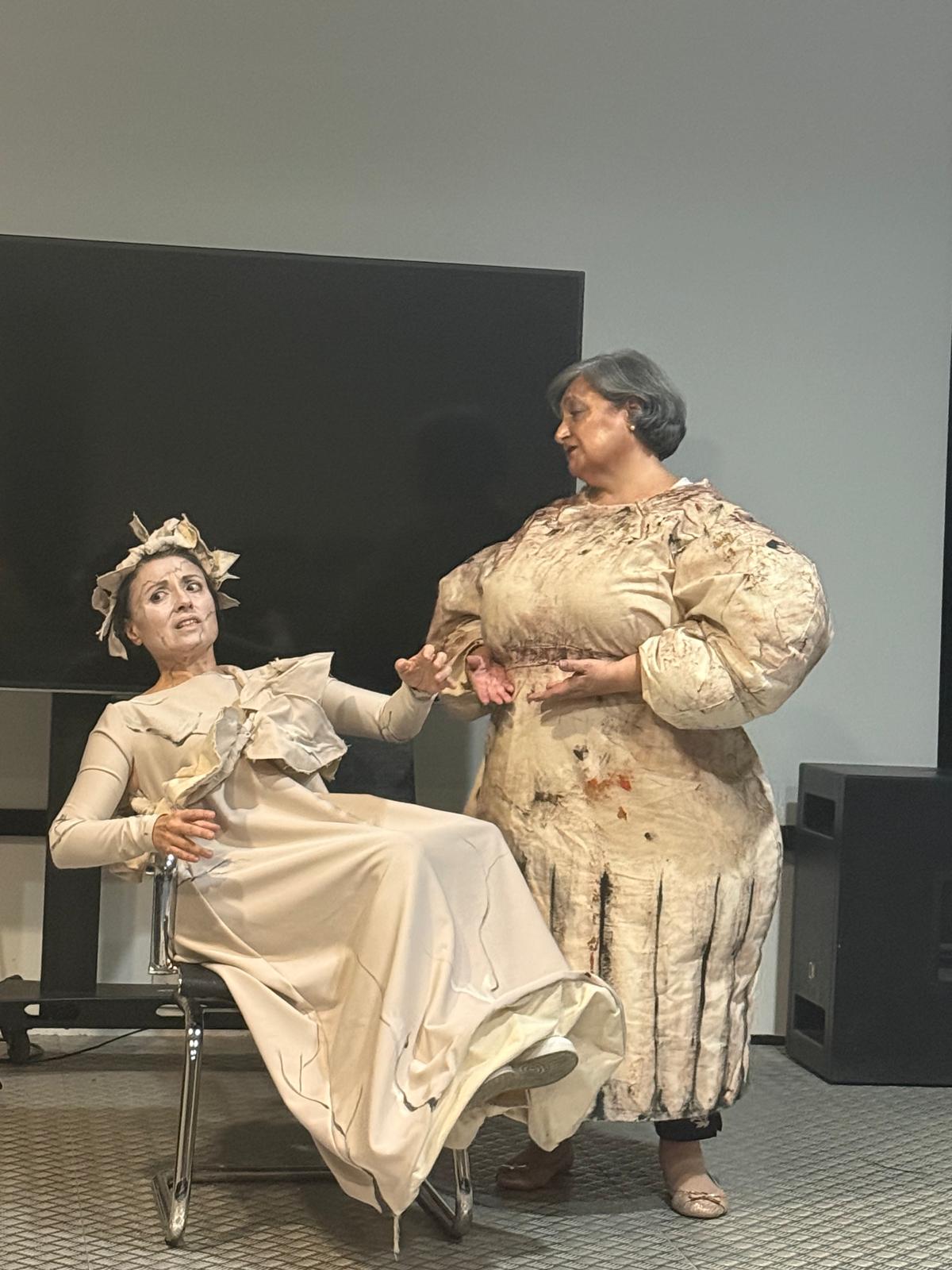
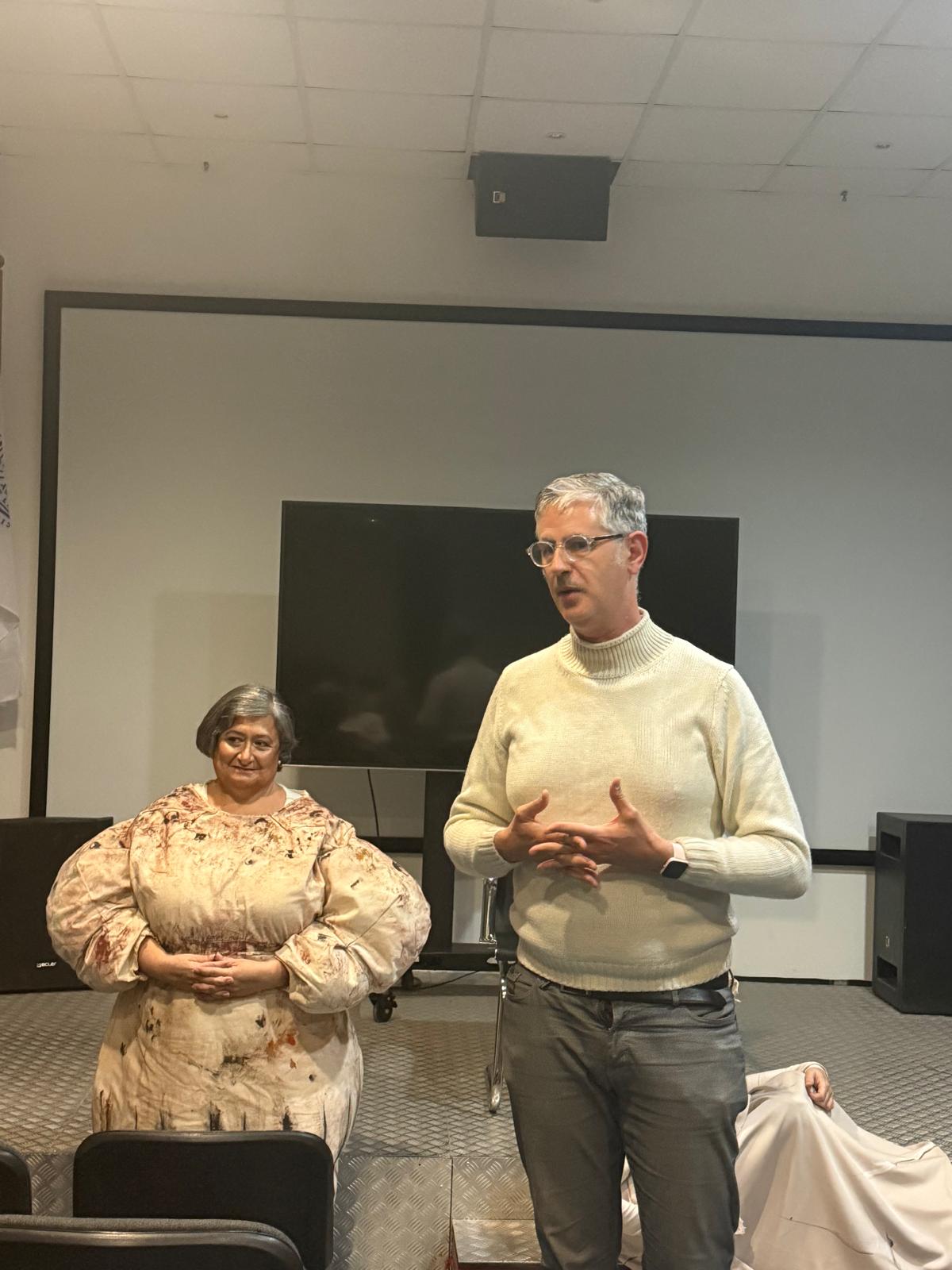
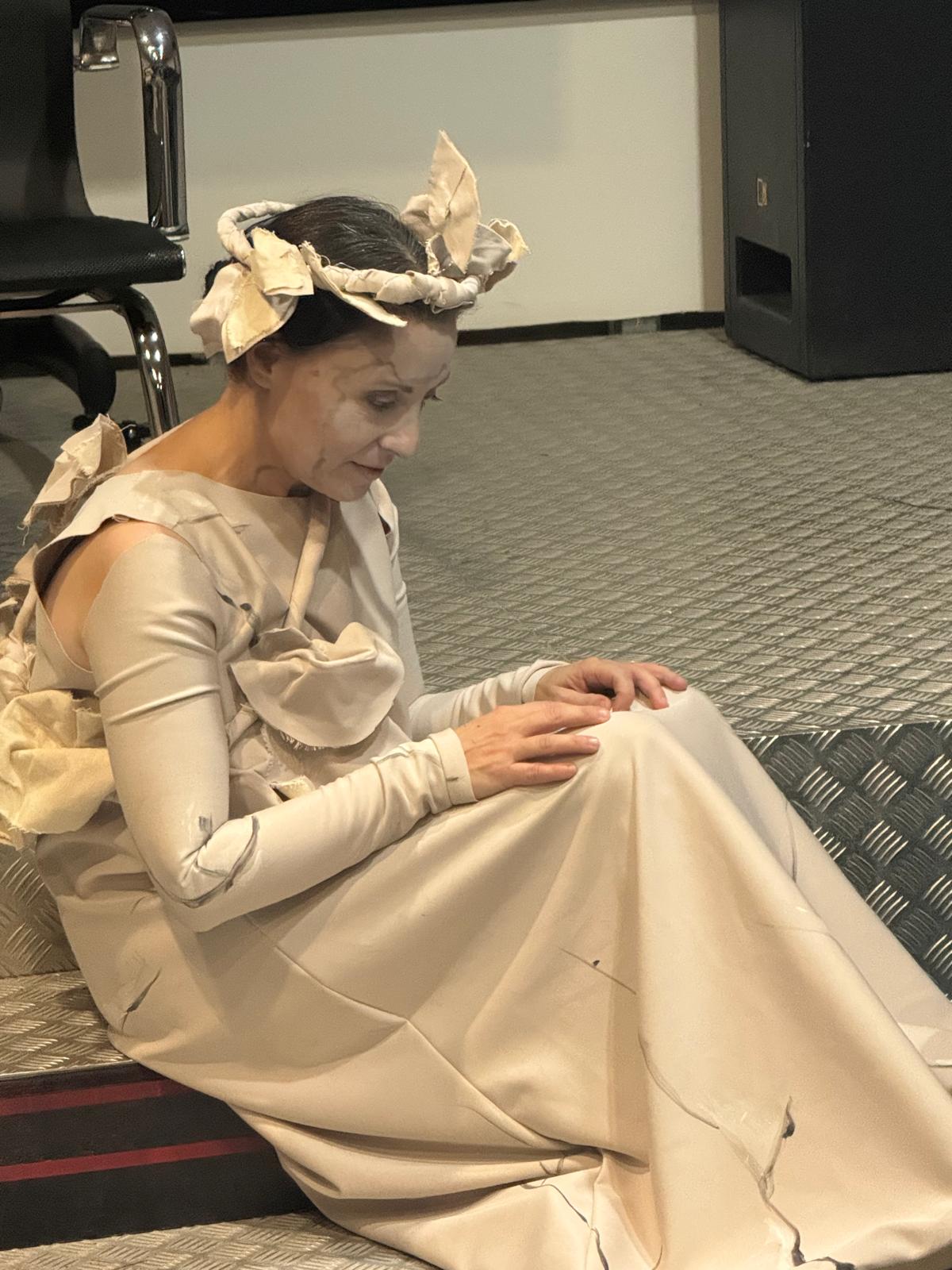
On 11 December, MELA organised a guided discussion inspired by the Maltese play Borma Tbaqbaq – Il-Lingwa tal-Kċina, created by Angele Galea, Pauline Fenech, and Valerie Buhagiar. The work explores themes of silence, memory, womanhood, and the kitchen as a space of inheritance and resistance.
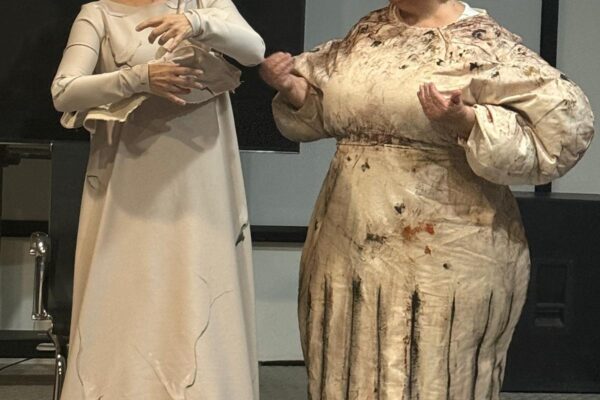
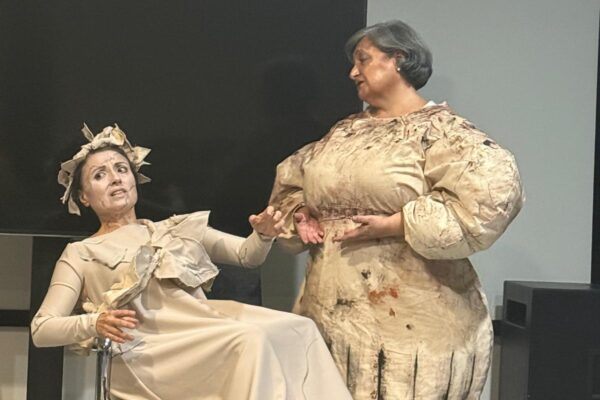
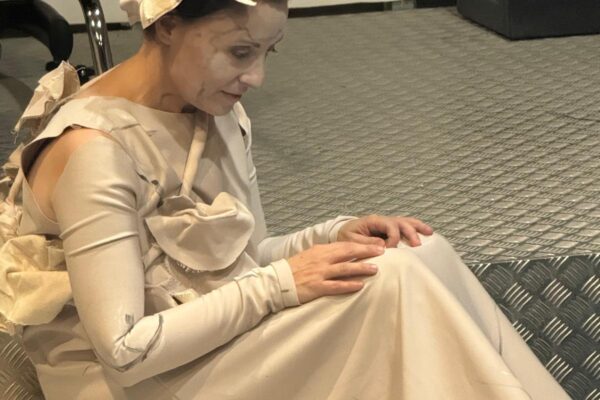
The event opened with a short sketch in which a Fertility Goddess encounters a monument commemorating victims of femicide. This symbolic meeting brought ancient iconography into dialogue with contemporary wounds, inviting reflection on how memory, violence, and womanhood echo across time. A facilitated discussion followed, creating space for shared reflection and dialogue.