
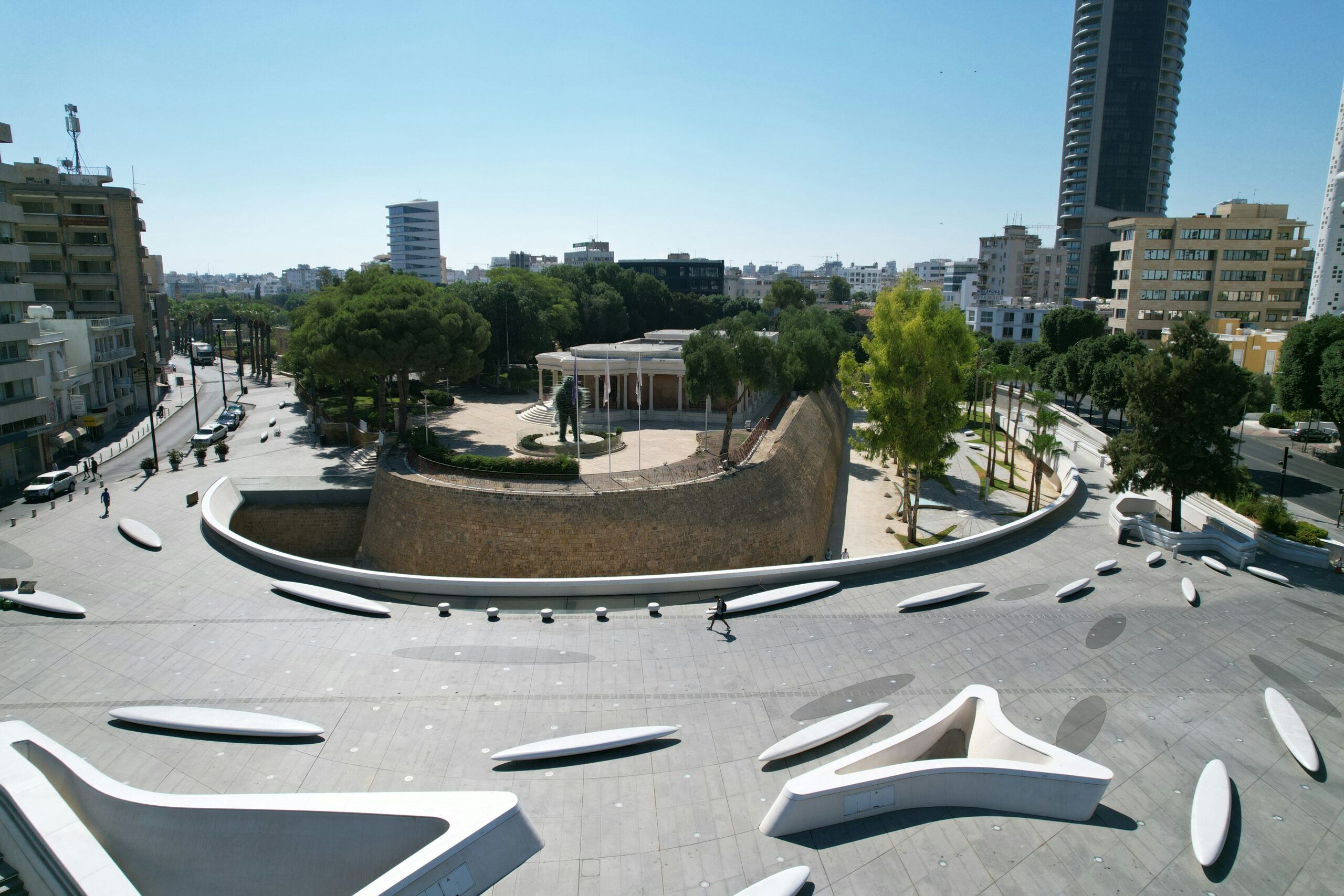
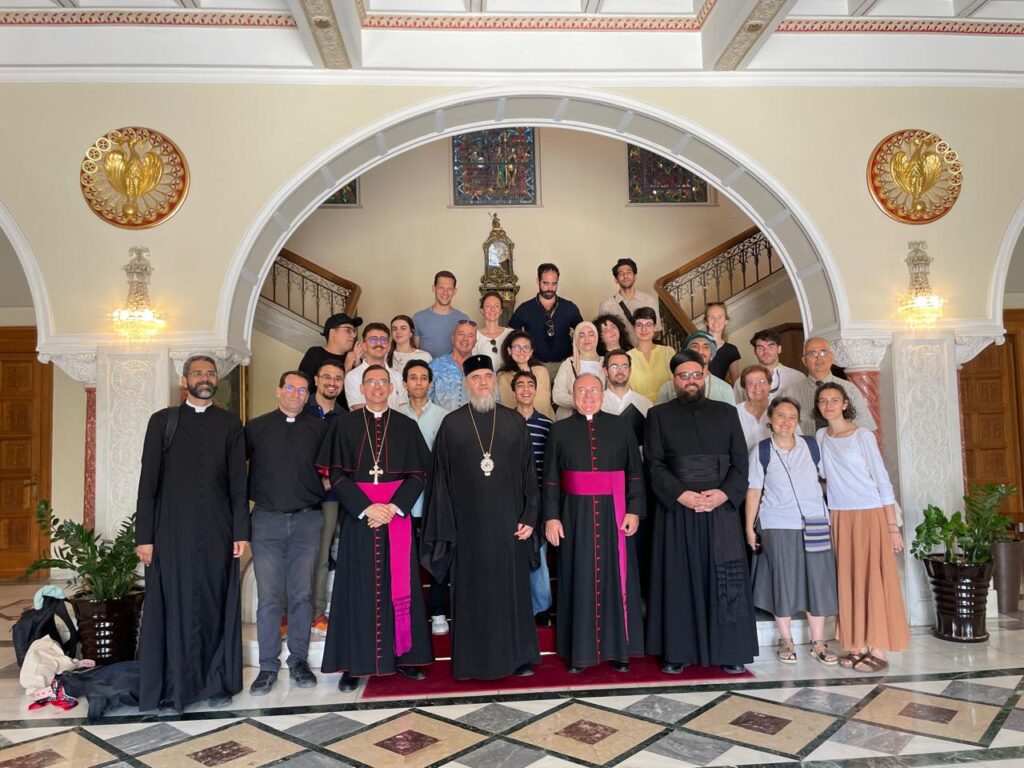
The People in Dialogue initiative opened in Nicosia, the divided capital of Cyprus, chosen intentionally for its relevance to interreligious and intercultural dispute.
One of our visits was to a refugee camp, where we played with the children of migrants from the near and far east. This was followed by a panel discussion with representatives of the Greek Orthodox Church, the Maronite Orthodox Church, the Vatican ambassador, and the Catholic bishop of Cyprus. The absence of the invited Imam was noted but did not prevent the broader discussion from proceeding. The day’s programme was led by Salpy Eskidjian, a key figure in the Religious Track of the Cyprus Peace Process under the auspices of the Embassy of Sweden. Her facilitation focused on the long-term work of building interreligious trust on the island.
We also visited the Hala Sultan Tekke mosque, one of the significant Islamic sites in Cyprus, before transferring to Limassol, where the beloved Bel Espoir 2 awaited us. We made way to Jounieh, Lebanon, the following morning, with a brief stop in Paphos to explore local historical sites.
Life aboard the vessel involved shared responsibilities: cooking, cleaning, and assisting the French crew as deckhands when needed. The ship was captained by a retired French Navy admiral, accompanied by a retired merchant navy captain. Midway through the journey, a French military helicopter paid a visit, which brought us to recognise the geopolitical sensitivity of the region.
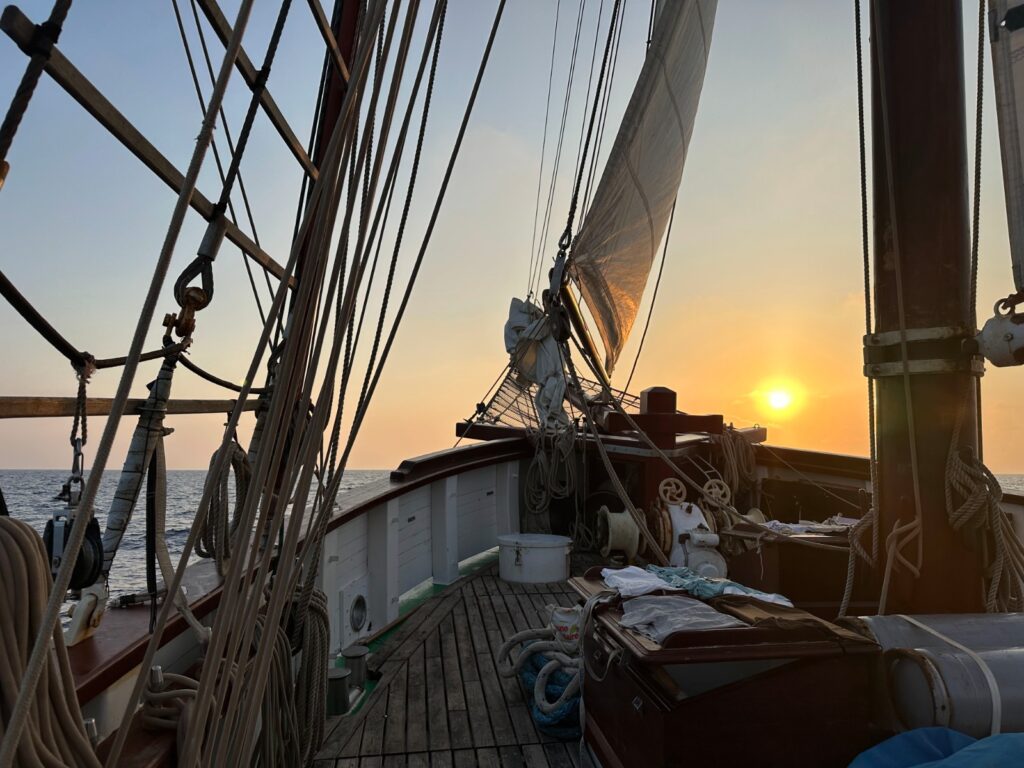
The itinerary changed abruptly the day before the planned arrival in Jounieh. From a distance we saw a volley of orange flares and flashes on the horizon, initially assumed to be maritime flares, but later identified as interceptions of Iranian missiles by Israel’s Iron Dome system. After consultation with organisers in Lebanon, the situation was assessed as too unstable and therefore unsafe for entry into port. We therefore reversed course and returned to Cyprus. This episode brought a sobering realisation: war is indiscriminate. Bombs, missiles, and ordnance make no distinction between the personal realities, opinions, or beliefs of whoever happens to be in their path. During this period, bonds among our group deepened. Those less shaken by the situation offered what comfort they could to those more distressed by our proximity to conflict.
Our spirits were deflated only momentarily. Once back in Cypriot waters, the group continued the programme by sailing along the island’s southern and western coasts. Without the original schedule, we relied on a reflective pamphlet to guide our discussions on identity, conflict, and personal experience. The change in circumstances created additional space for more profound dialogue and deeper bonding. We truly lived as one family aboard.
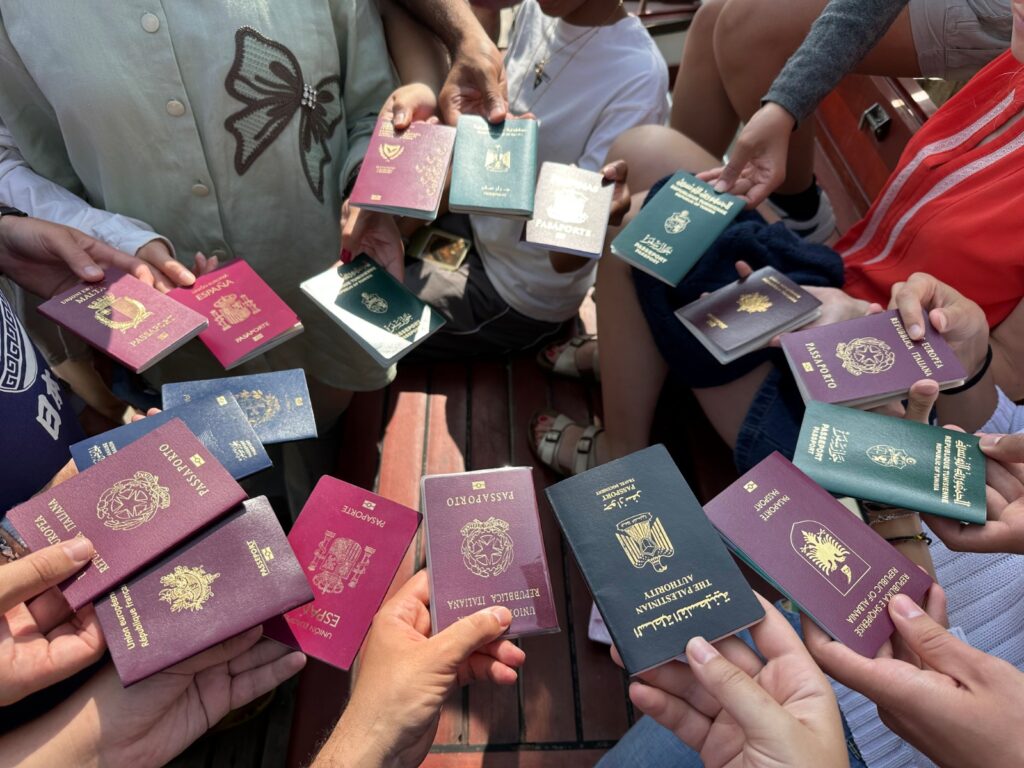
Although the initiative centred on interreligious dialogue, discussions rarely focused on doctrine. Instead, conversations tended to revolve around personal experiences, common values, and individual perspectives on life – we strived to relate to one another rather than find differences.
Across the journey, a consistent theme emerged: peacebuilding in the Mediterranean context often begins with recognising the individual rather than the religious or national label. Our desire to build relationships and see a brother or sister in one another, rather than theological debate, was testimony of the fruit this MED initiative could bear.
David Micallef