
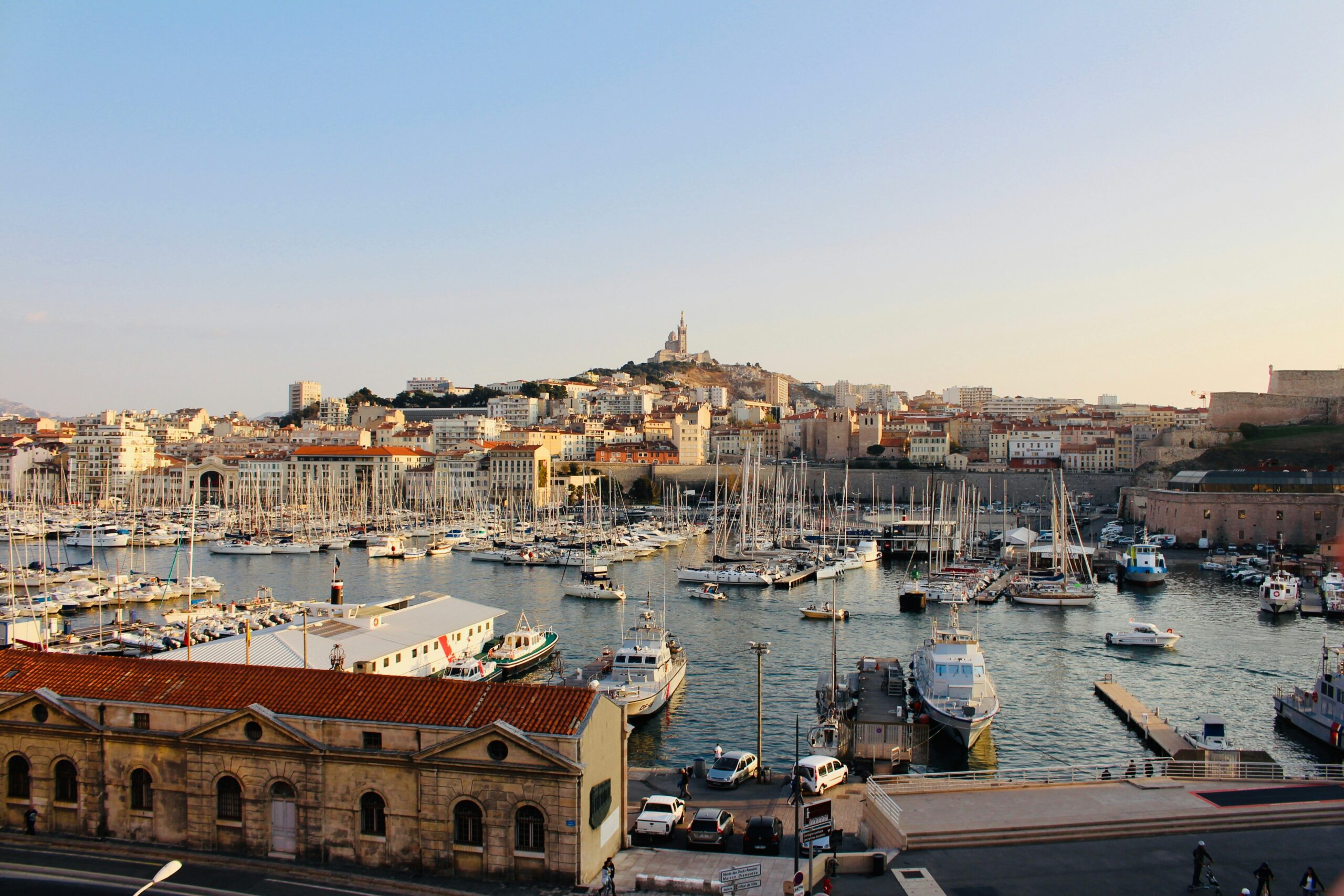
The Mediterranean Meetings in Marseille took place between 17 and 23 September. From the outset, the emphasis was on shared responsibility rather than symbolic encounter: young participants, aged between 25 and 35 and drawn from twenty-five Mediterranean countries, were asked to think together about a Mediterranean marked by conflict, migration, and inequality, and about the role the Church might realistically play within it.
We were hosted by families in Marseille, a detail that anchored the meetings in everyday practices of hospitality rather than institutional formality. The opening Mass set the tone. Celebrated in a Carthusian monastery church built under Louis XIV, it brought together prayers in Arabic, Italian, Hebrew, and English. When the Archbishop of Marseille, Jean-Marc Aveline, spoke of healing memories wounded by conflict, it sounded less like a resolution than a task that remained deliberately unfinished.
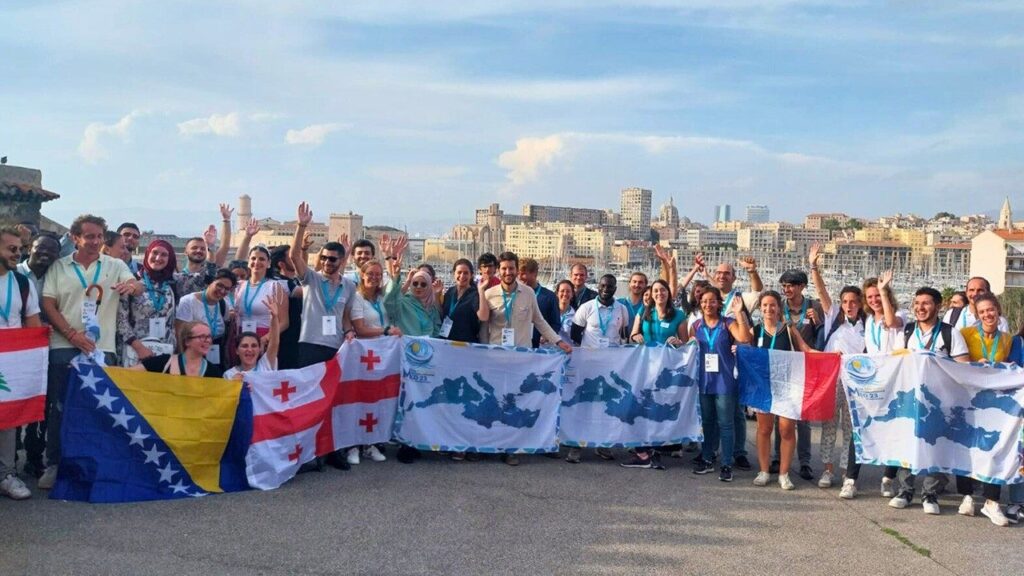
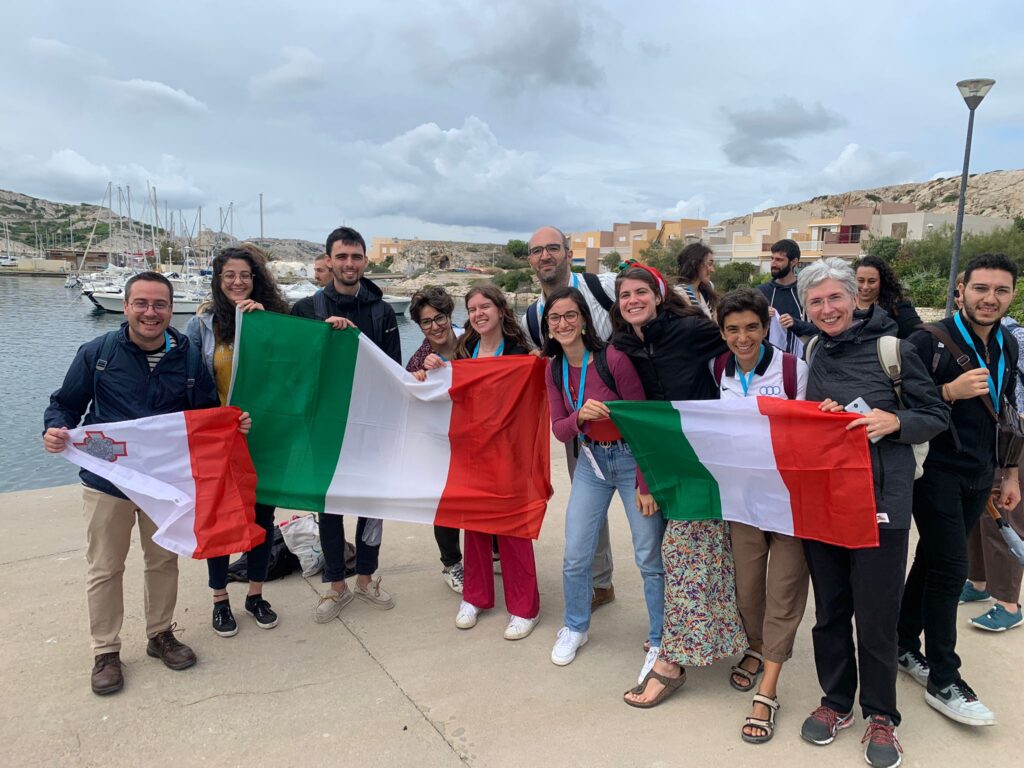
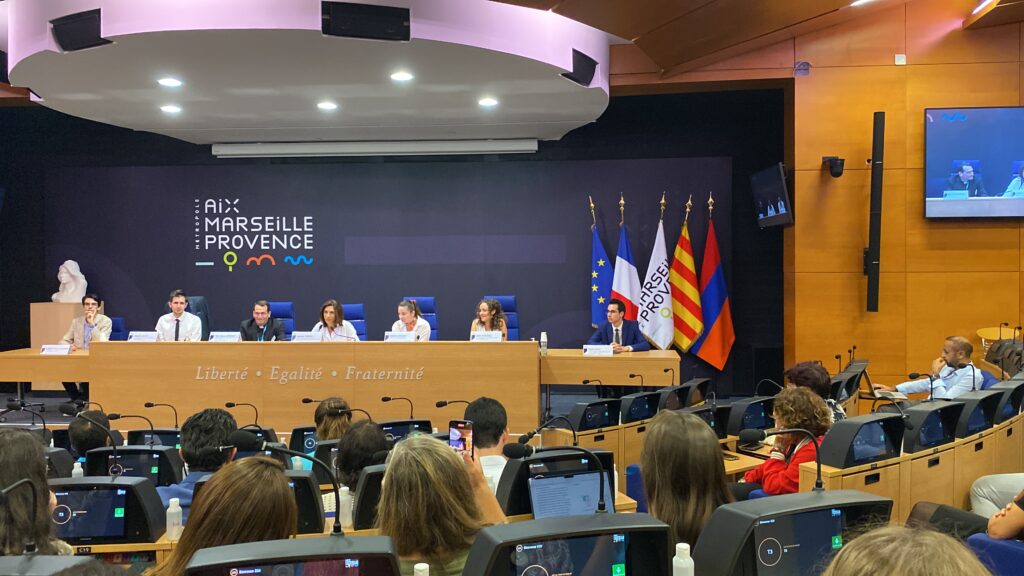
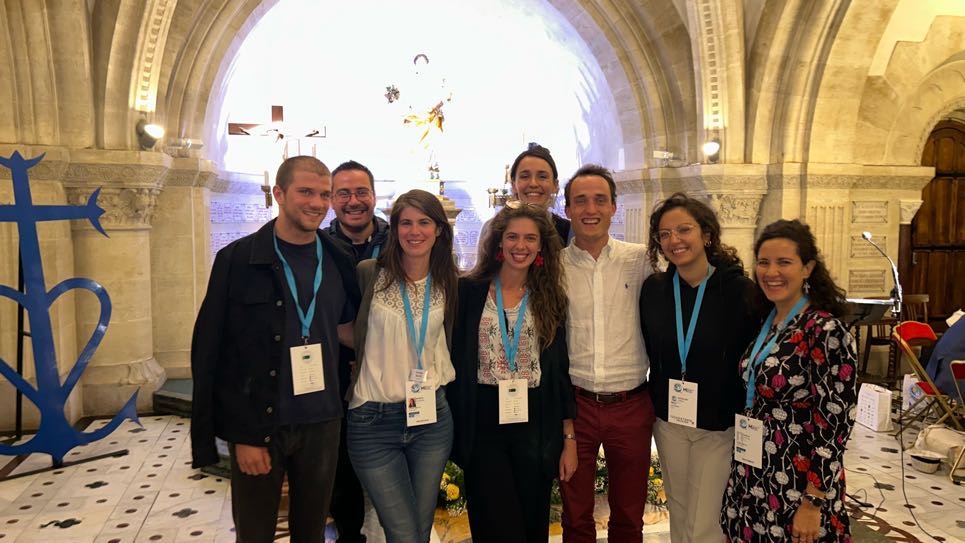
Our work was organised into one French-speaking group and nine English-speaking groups. Much of the time was devoted to listening: to personal histories, to the layered history of Marseille, and to the wider Mediterranean basin. We focused on three main areas—memory and identity, dialogue in social and ecclesial life, and ecological and migratory pressures.
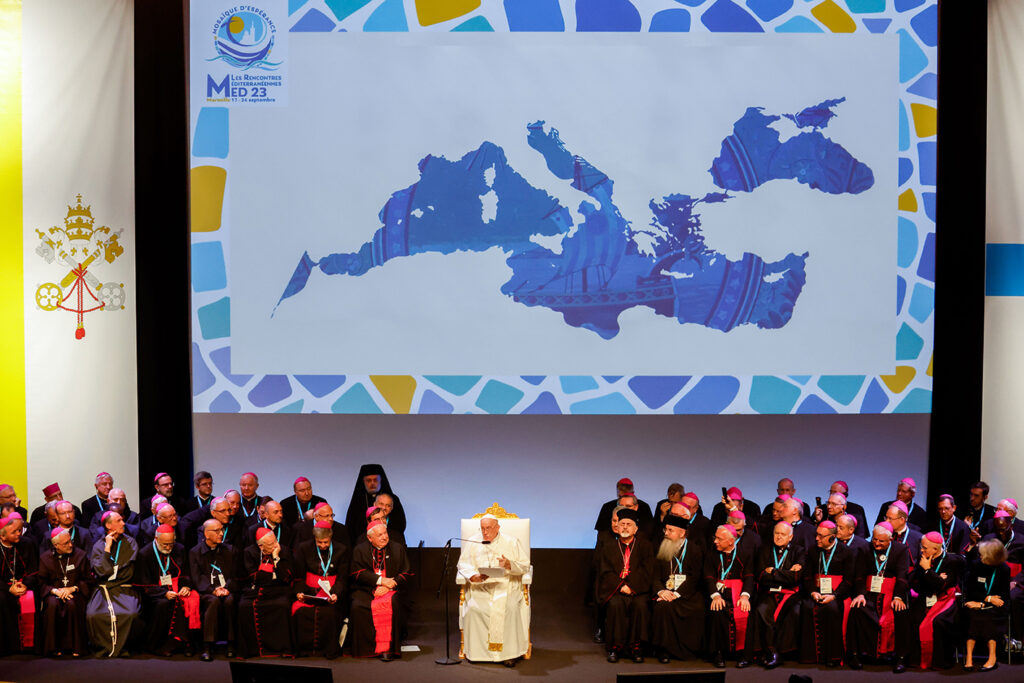
Migration framed many of our discussions, not as an abstract issue but as a concrete and contested reality, repeatedly evoked through places such as Briançon and Lampedusa. From Thursday onwards, we worked in pairs with bishops from across the Mediterranean, who brought with them experiences shaped by very different political and social contexts, to draft sections of the final text. The presentation of the document to Pope Francis at the Pharo Palace marked the public conclusion of the meetings.
Jean Claude Attard