
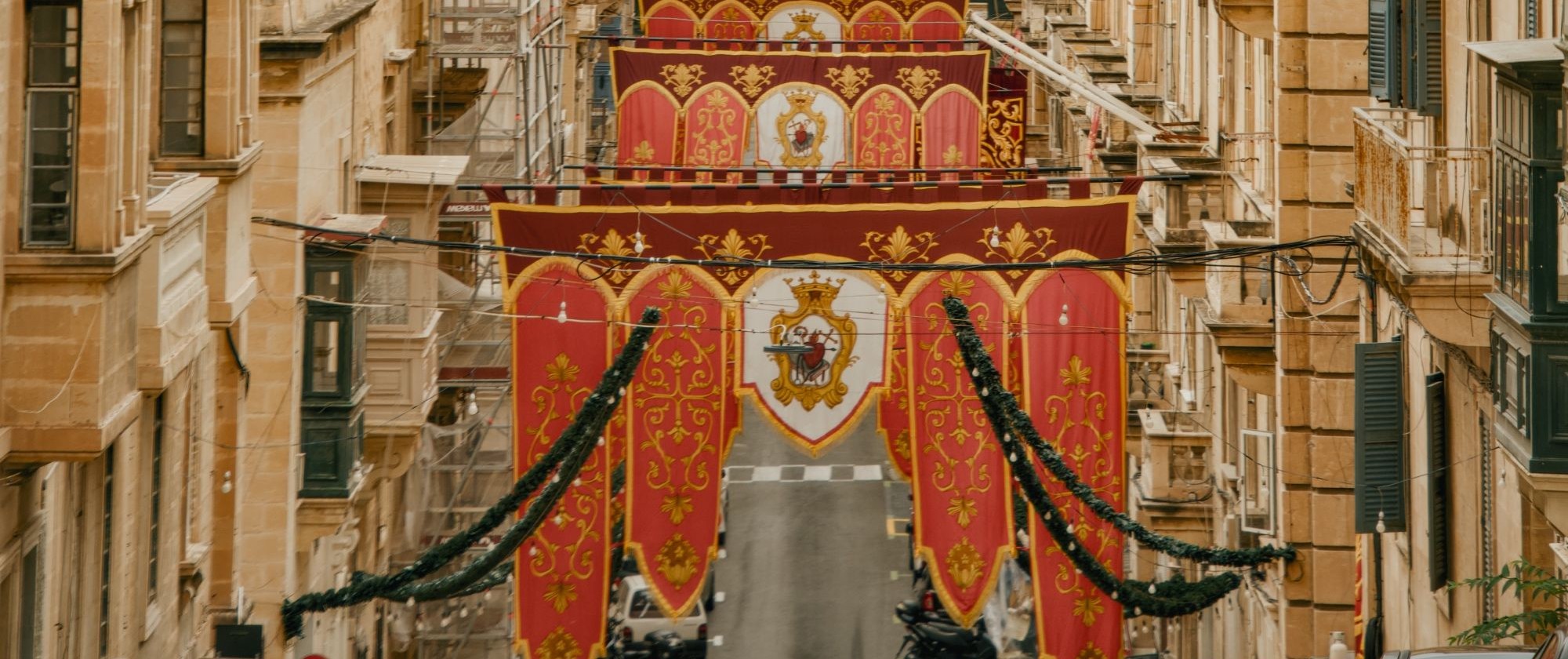
Someone joins the preparations.
They watch, lend a hand, then ask:
“Why do we do it like this?”
“We’ve always done it this way.”
Do we tell them the story?
Much of what we know was taught to us before we thought to ask why. How to greet a guest. How to prepare for a feast. Which song belongs to which occasion.
Tradition gives us ways to participate before we could invent them ourselves.
Around the Mediterranean, a village feast, a family recipe or a craft can gather the work of generations. Someone remembered the words. Someone taught the movement. Someone made time to show another person how.
The problem is not tradition. It is what happens when keeping a practice leaves no room for another person to enter it.
“We’ve always done it this way” can begin a story. There may be a reason for that particular material, that order of work, that day of gathering. Asking why can uncover knowledge we risk losing.
But the same sentence can close the conversation. Someone offers a different way, and their suggestion is heard as disrespect. They are welcome to help, provided they change nothing.
Of course, every proposed change is not an improvement. A newcomer may need to listen before deciding what no longer matters. Those who have sustained a practice also deserve to have their work understood.
Yet receiving an inheritance involves judgement. We discover what it gives, what it asks of people and what we can responsibly carry forward.
A tradition needs people willing to learn it. It also needs people willing to teach more than obedience.
When someone asks “Why?”, they may be trying to find a place in the story.
Photo: Dawid Tkocz / Pexels