
Morning.
The shutters open.
The doorstep is swept.
The plants are watered.
Much the same as yesterday.
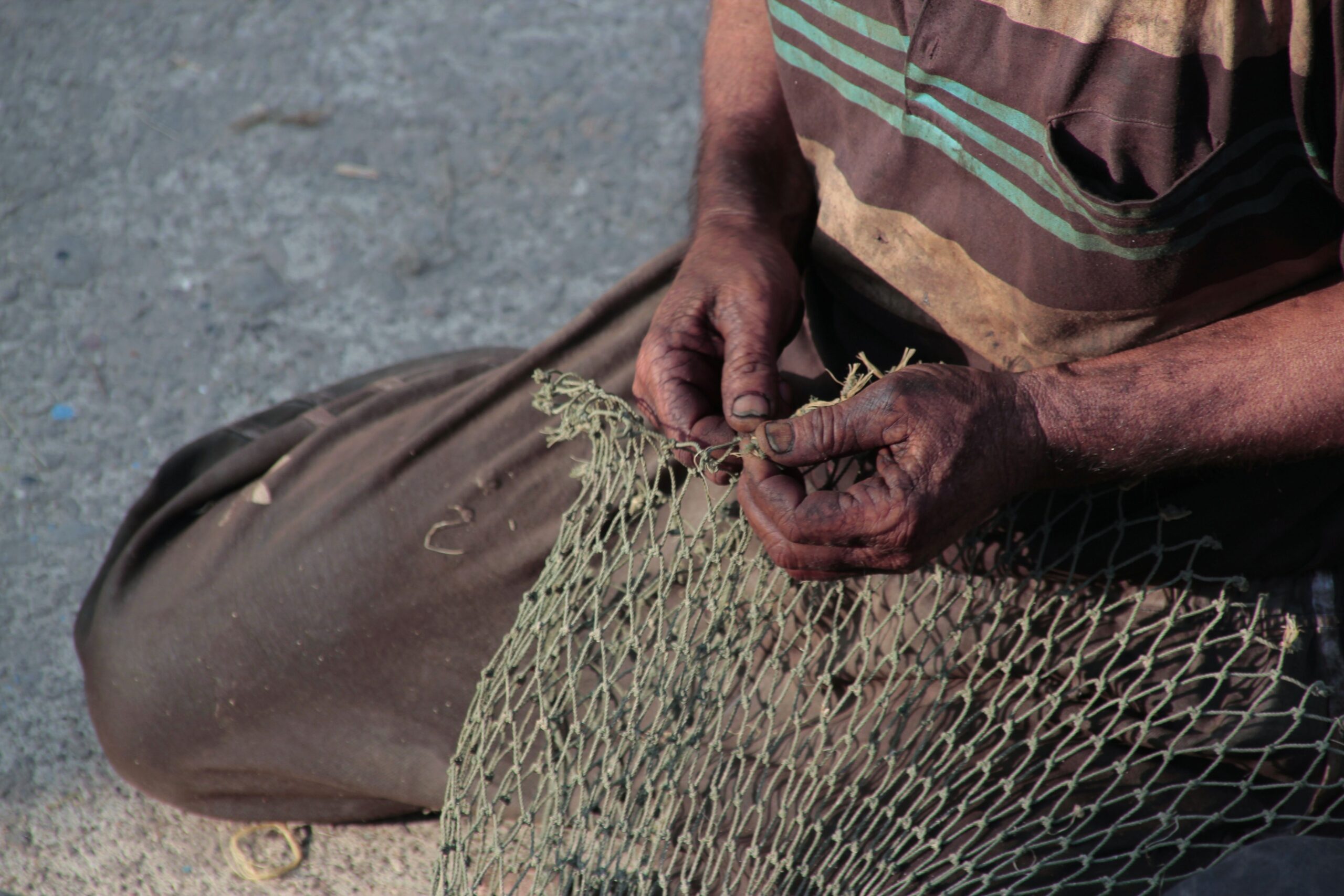
Much of what sustains a shared world happens repeatedly. It rarely announces itself as an achievement.
The problem is not repetition. It is how easily we come to believe that something familiar no longer deserves our attention.
Along a Mediterranean street, shutters open each morning, shopkeepers prepare their counters and someone waters the plants outside a doorway. These small actions help make a place inhabitable. We often notice them only when they stop.
Doing something again can deepen our knowledge of it. Hands become more assured. We learn where the wood catches, which plant needs less water, when to pause in a piece of music. Familiarity can make us more attentive.
It can also make us careless. We assume that today requires exactly what yesterday required. The action continues, but we stop noticing what has changed.
Repetition need not mean doing everything identically. Sometimes care appears in a small adjustment: a different grip, a slower explanation, a pot moved towards the light.
There is weariness here too. Work repeated under pressure can exhaust people. Those who clean, maintain and care for others need rest, recognition and help. Their fatigue is not a failure of attention.
But a life cannot be sustained entirely by novelty. Some things remain good because someone keeps returning to them.
What looks like the same task may be a fresh response to something still worth caring for.
Photo: Nihal Nihal / Pexels